Hands-on designer. 20+ years defining brand identities
and building the systems that carry them.
& Lab [Interactive] (1)

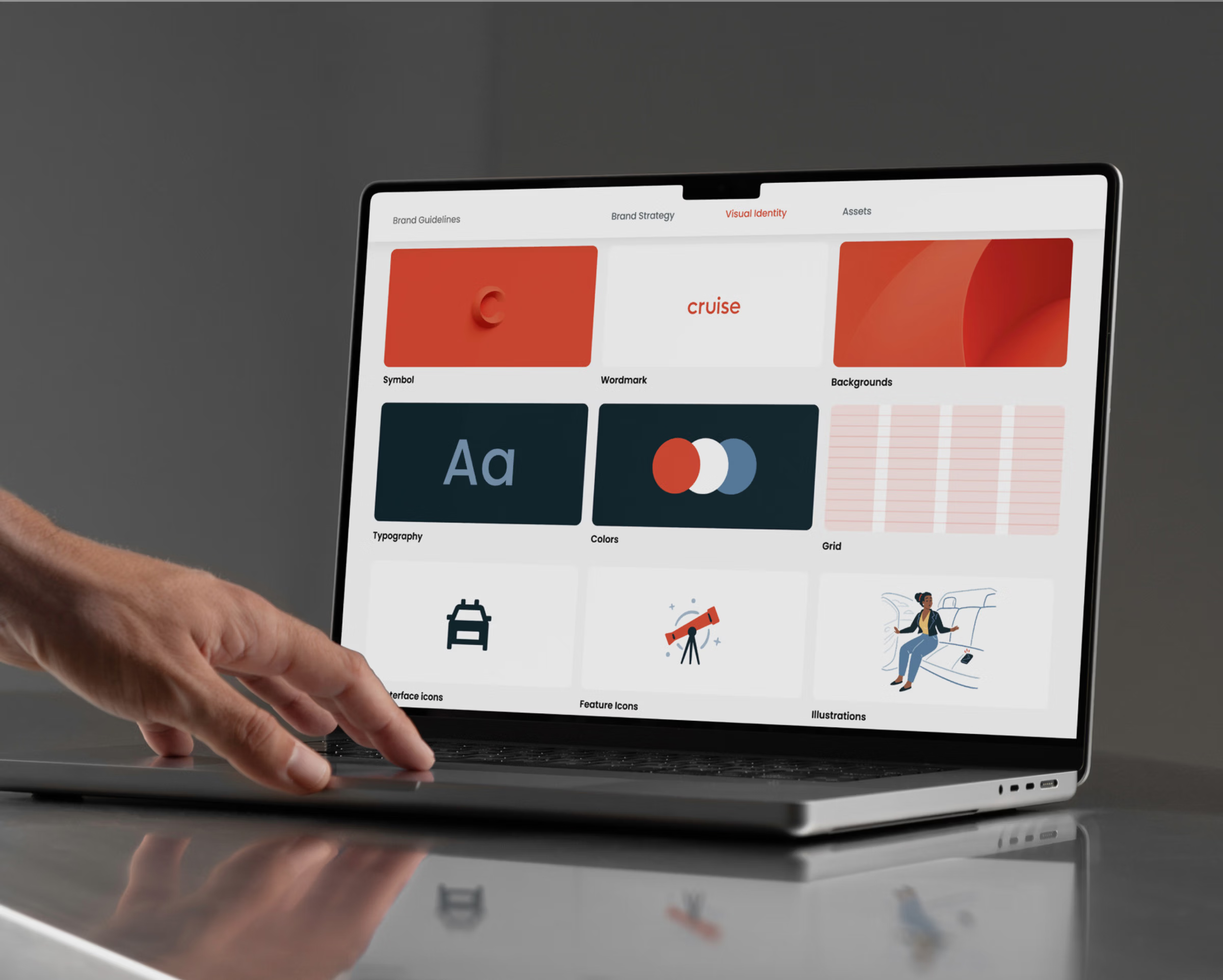


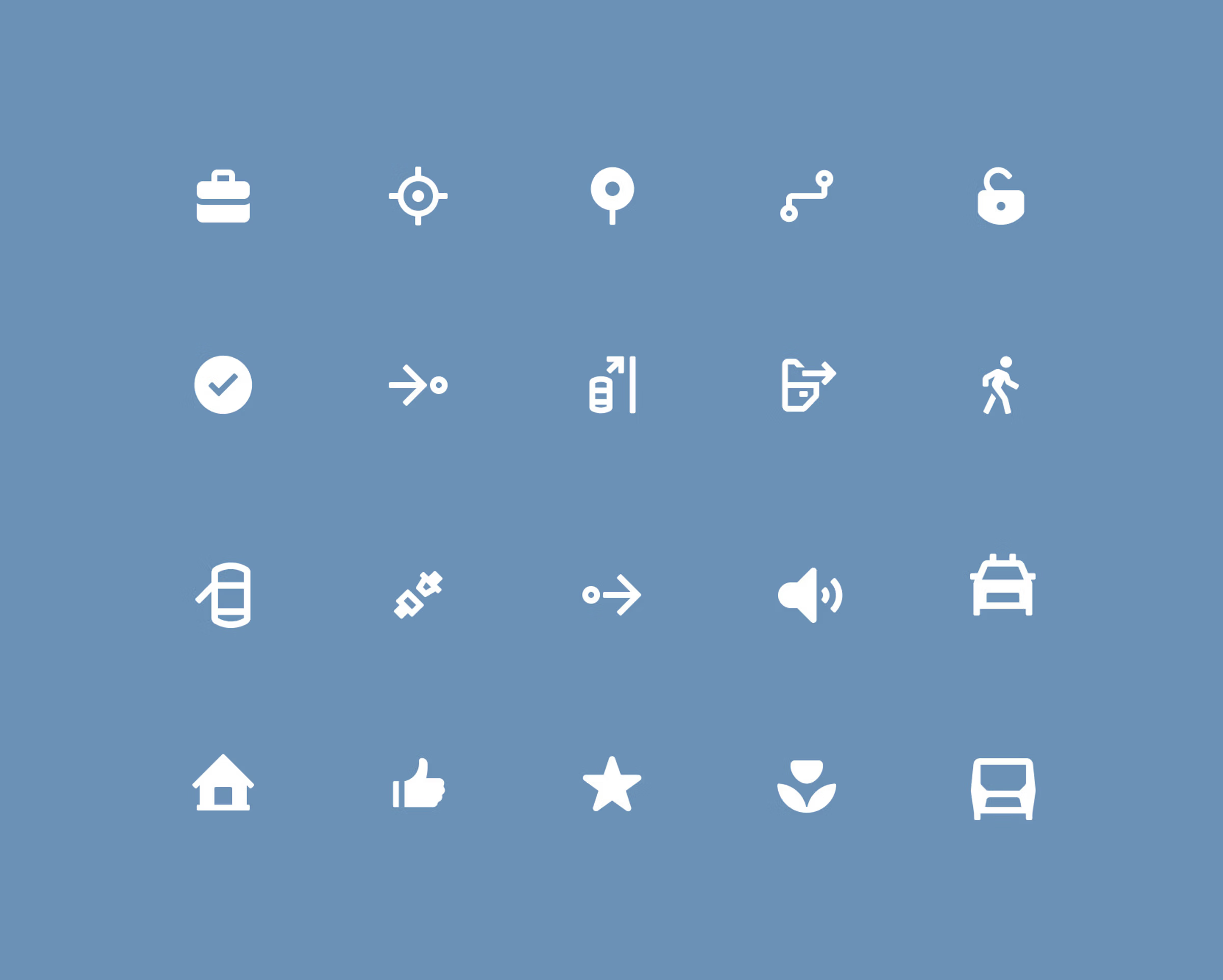


Cruise was unlike most things I had worked on. In an Uber, the driver is there to answer questions. On a Cruise, the experience had to be intentional enough to anticipate every rider need. Down to an icon of a car with an arrow pointing to the correct exit door. Few precedents. Little to compare against.
I joined as Staff Brand Designer right before its transition from R&D to public rollout. The identity had been established before I arrived. My role was to scale it across a wide surface: consumer-facing product, internal tools, marketing, and a shared design system. All while infusing approachability into a highly advanced technology. Expressive lines with width variations in the feature icons and illustrations, and motion as a core part of the visual language.
Working closely with product designers, UX writers, and PMs, I led the expansion of the visual identity system, defining the icon style and overseeing the creation of hundreds of UI and feature icons. I extended the color system across disciplines, built and managed a design org brand portal, and ran office hours and critiques to sharpen the design work coming out of the org.
2021–2024
Bridged brand and product
Cruise was unlike most things I had worked on. In an Uber, the driver is there to answer questions. On a Cruise, the experience had to be intentional enough to anticipate every rider need. Down to an icon of a car with an arrow pointing to the correct exit door. Few precedents. Little to compare against.
I joined as Staff Brand Designer right before its transition from R&D to public rollout. The identity had been established before I arrived. My role was to scale it across a wide surface: consumer-facing product, internal tools, marketing, and a shared design system. All while infusing approachability into a highly advanced technology. Expressive lines with width variations in the feature icons and illustrations, and motion as a core part of the visual language.
Working closely with product designers, UX writers, and PMs, I led the expansion of the visual identity system, defining the icon style and overseeing the creation of hundreds of UI and feature icons. I extended the color system across disciplines, built and managed a design org brand portal, and ran office hours and critiques to sharpen the design work coming out of the org.
2021–2024

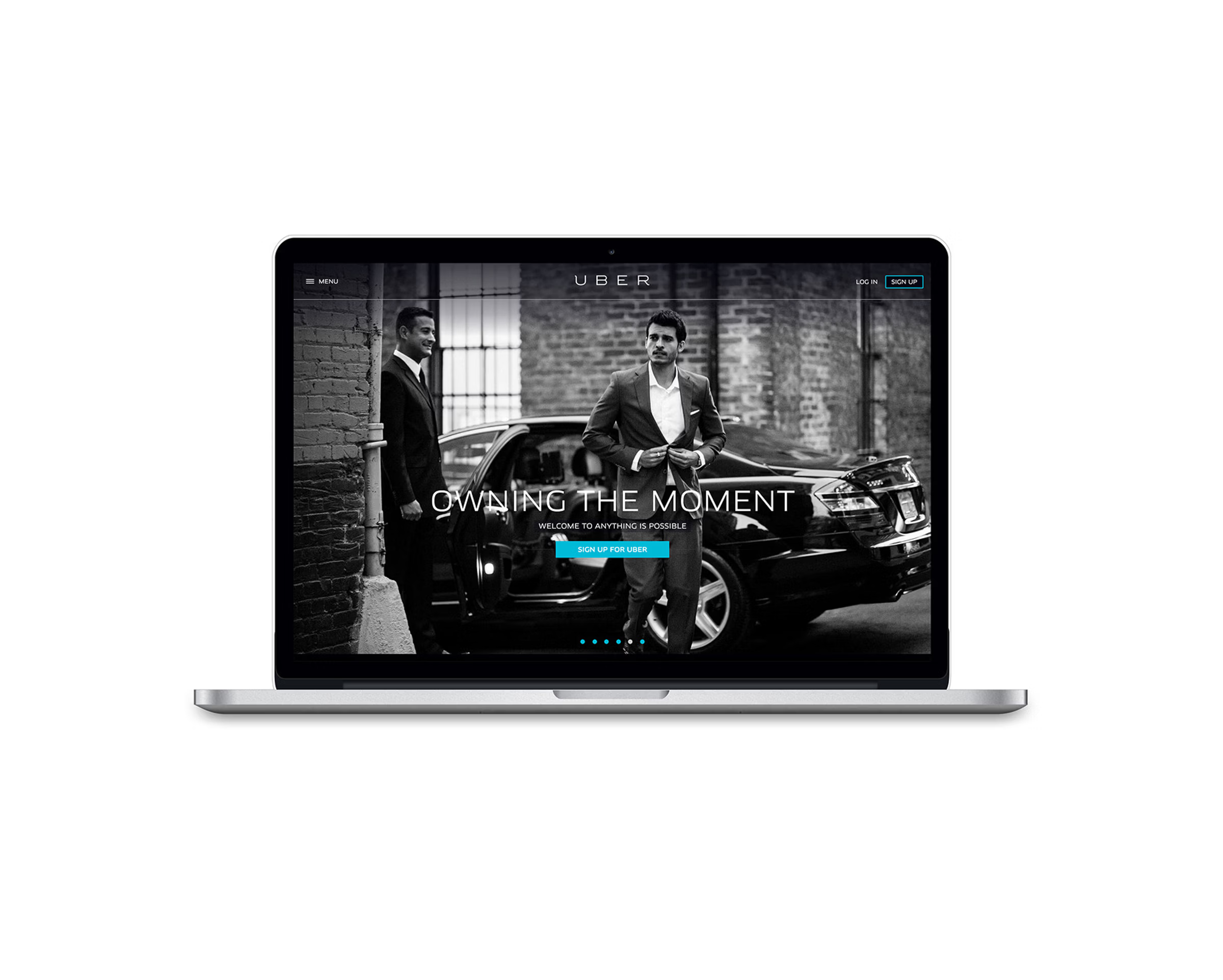









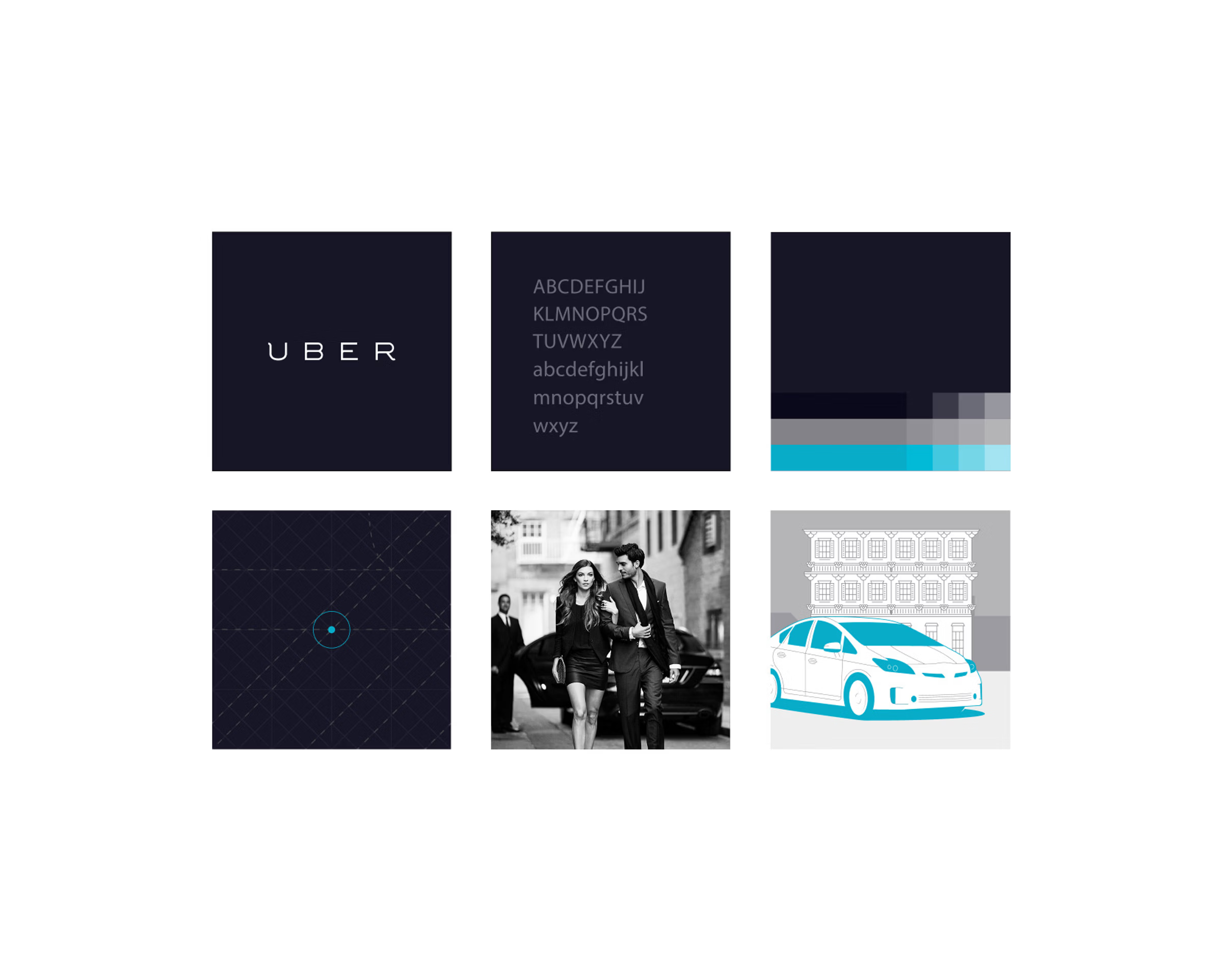
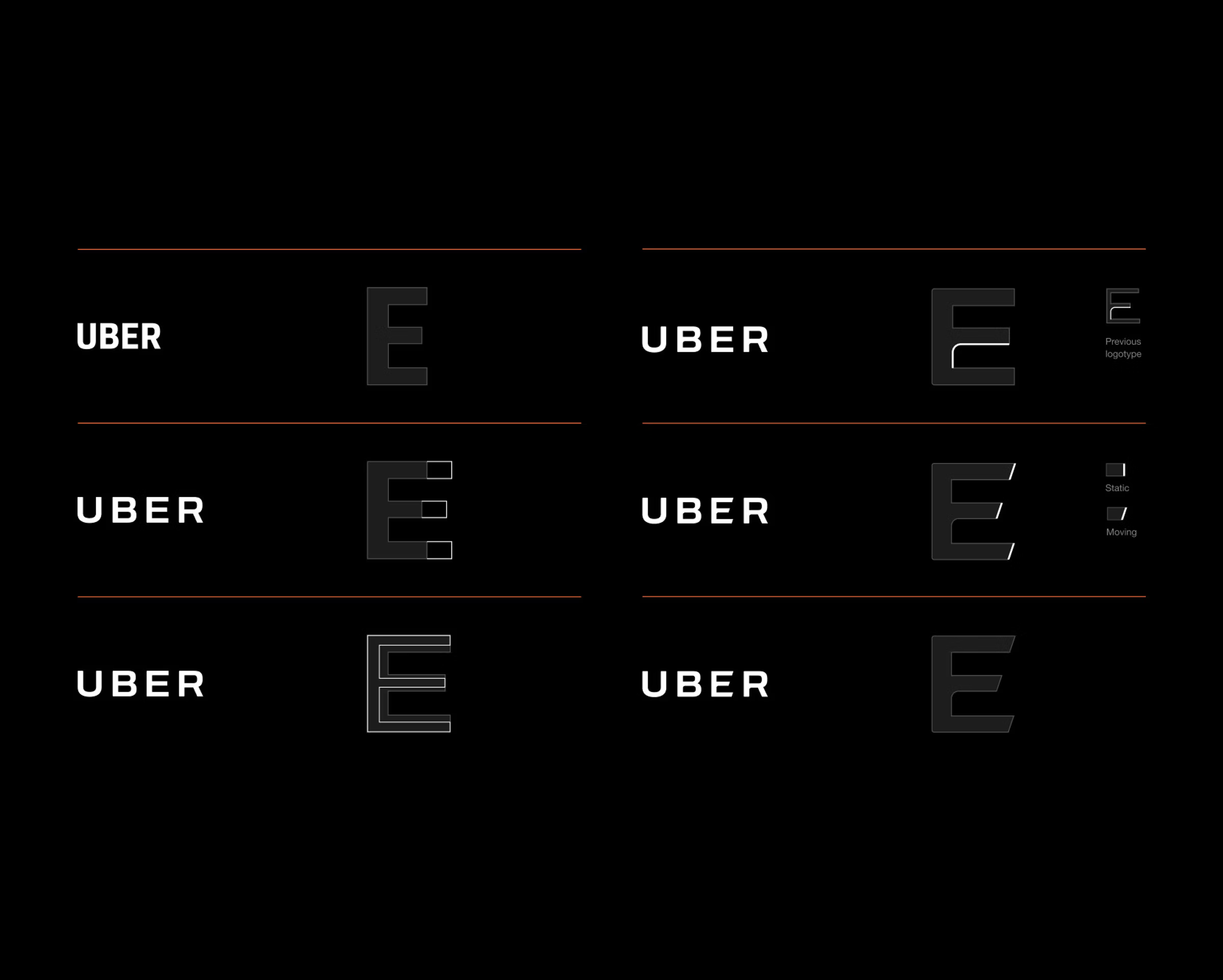




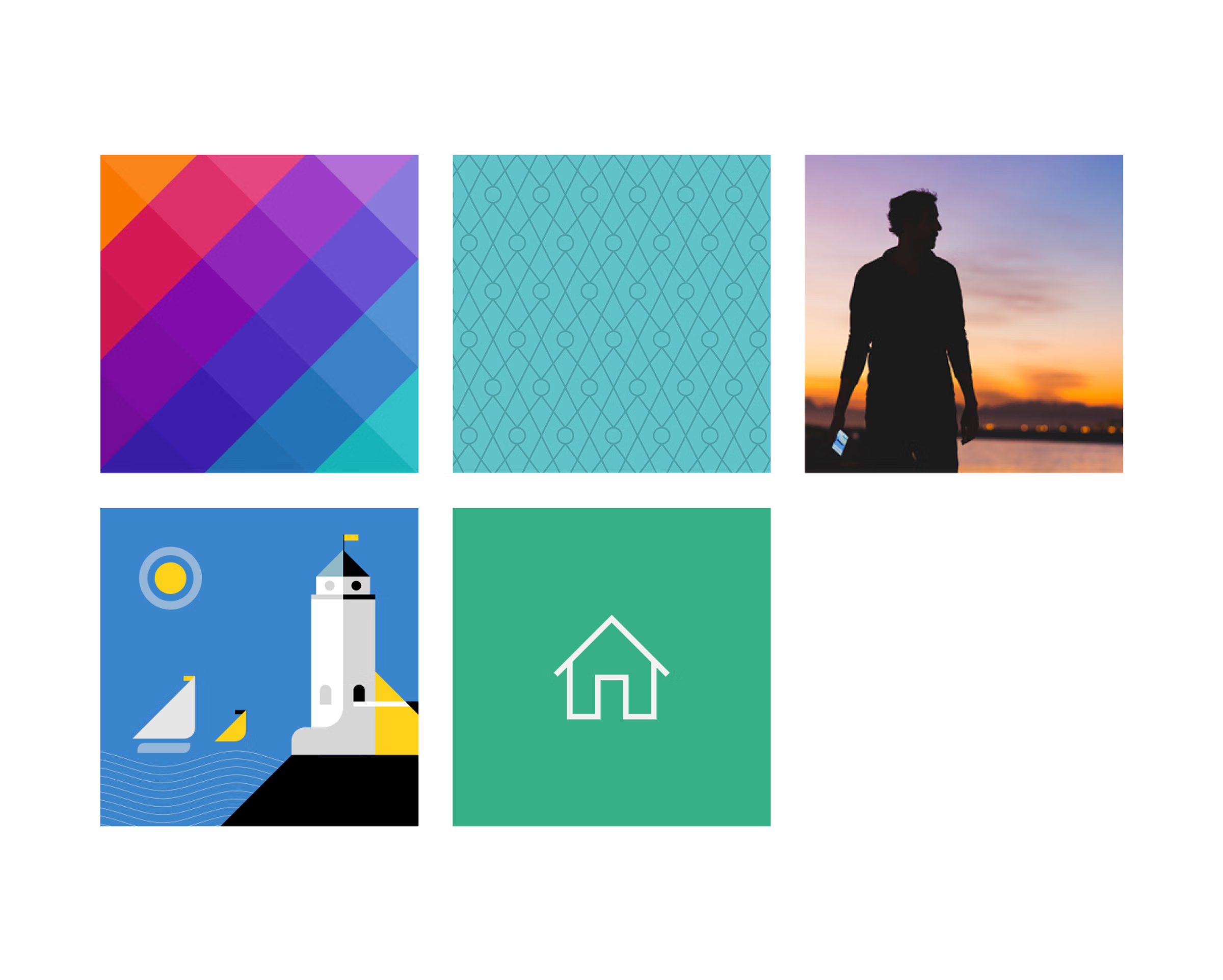


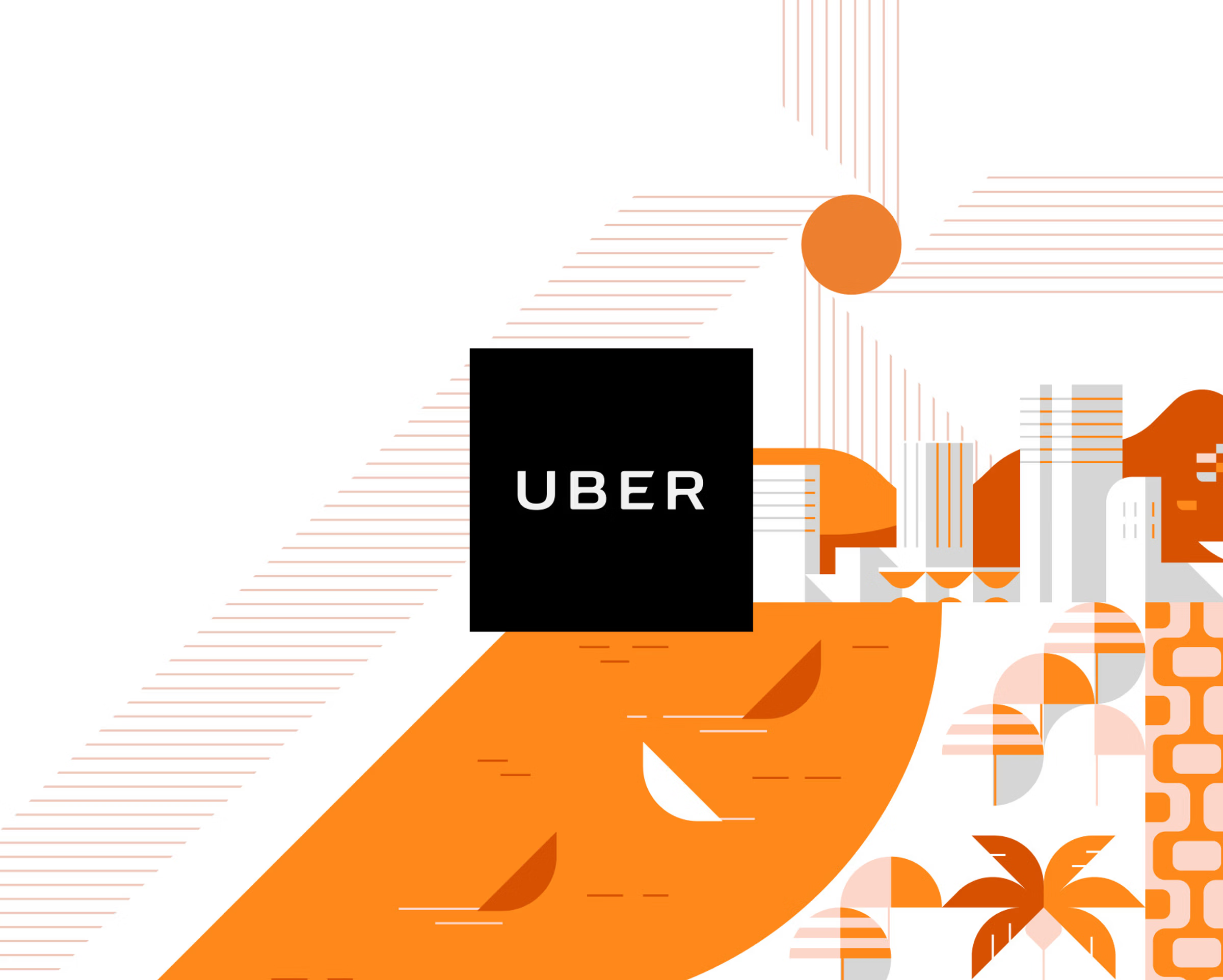
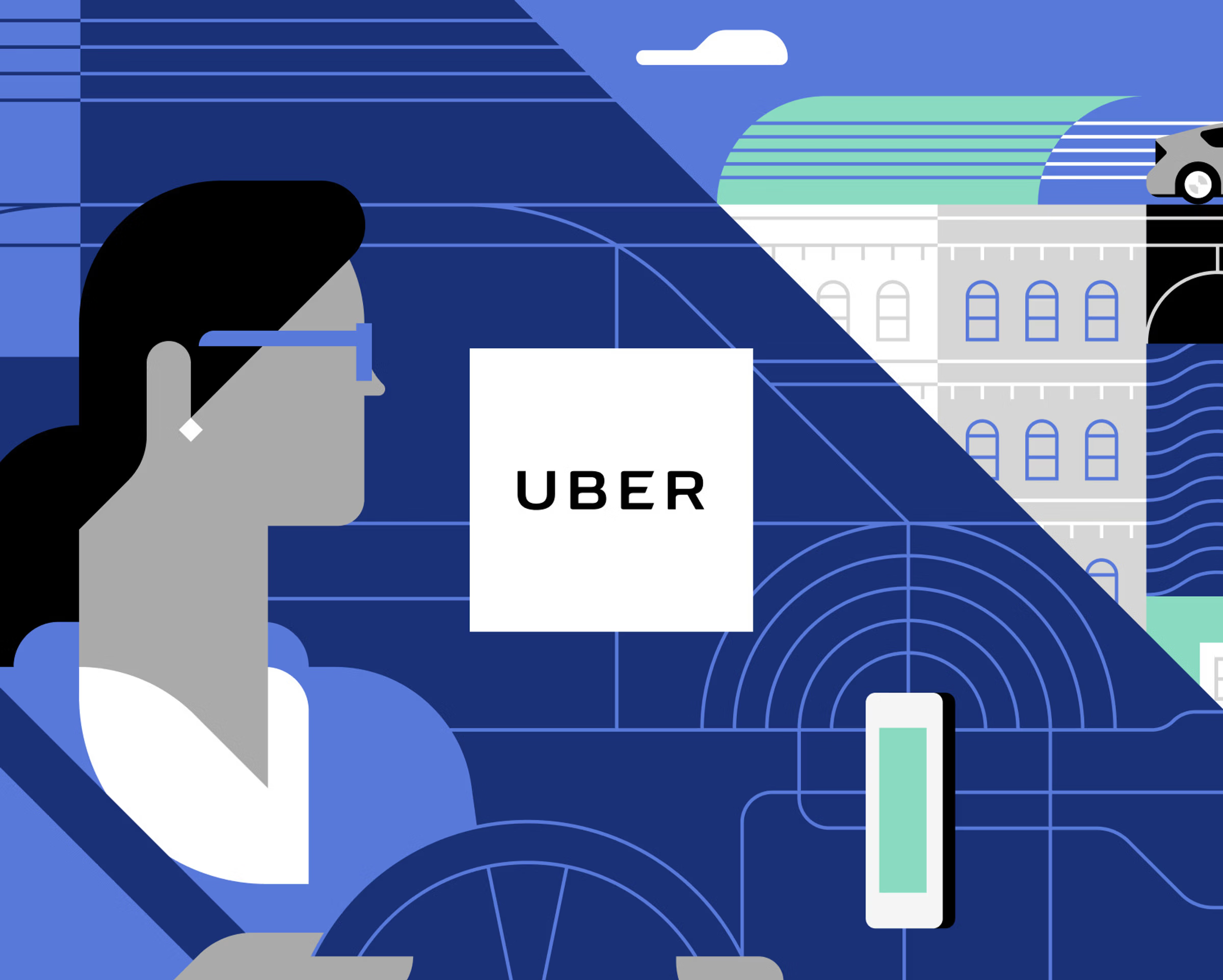

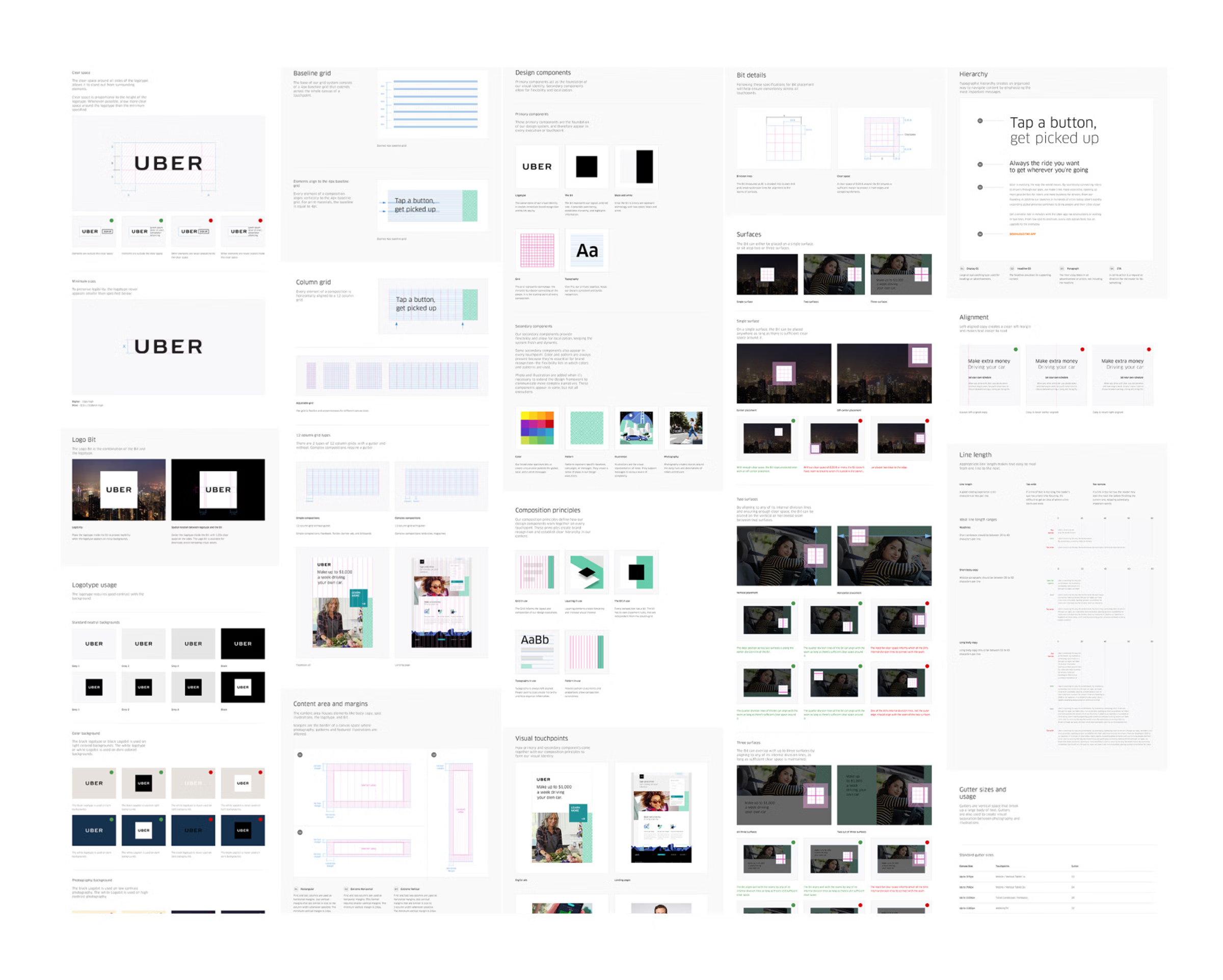
Back in 2014, when I joined Uber, the company had outgrown its identity. What began as a premium ride service had become, during a period of hyper-growth, a global platform spanning dozens of products and price points. The existing brand had no language for that complexity.
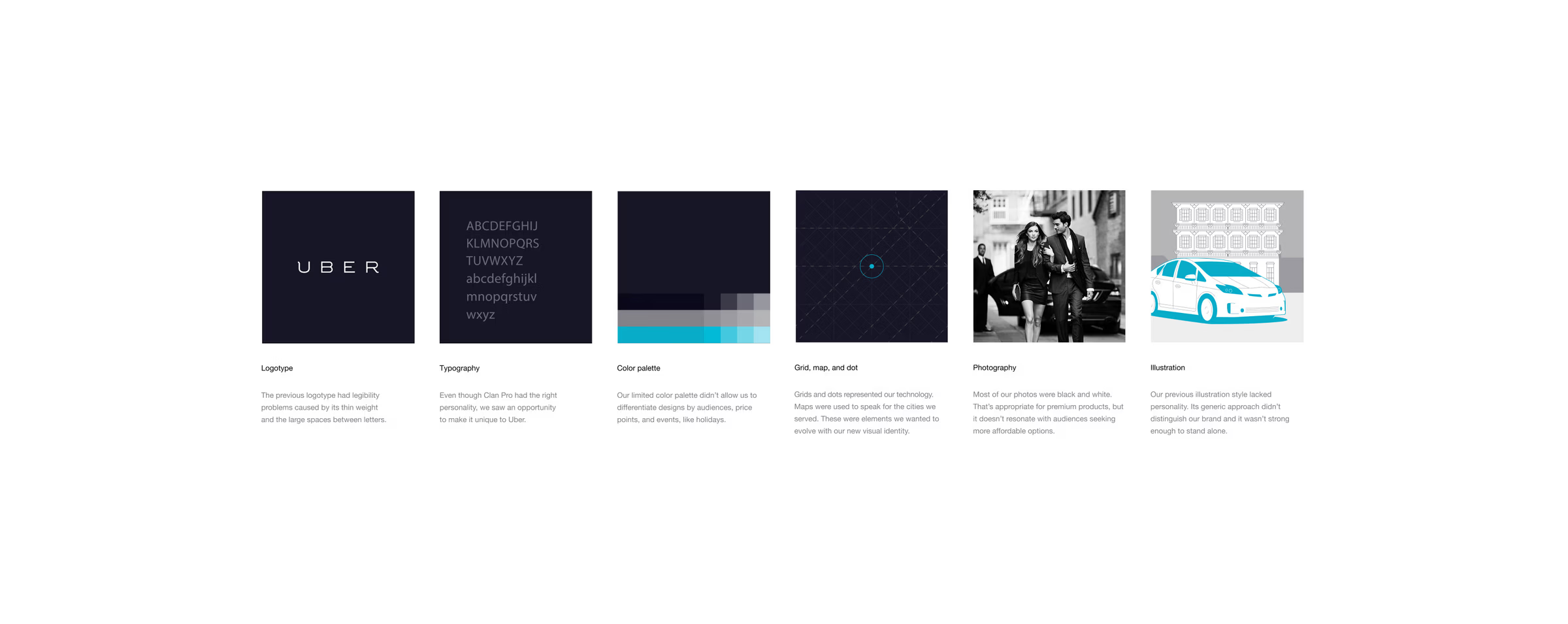
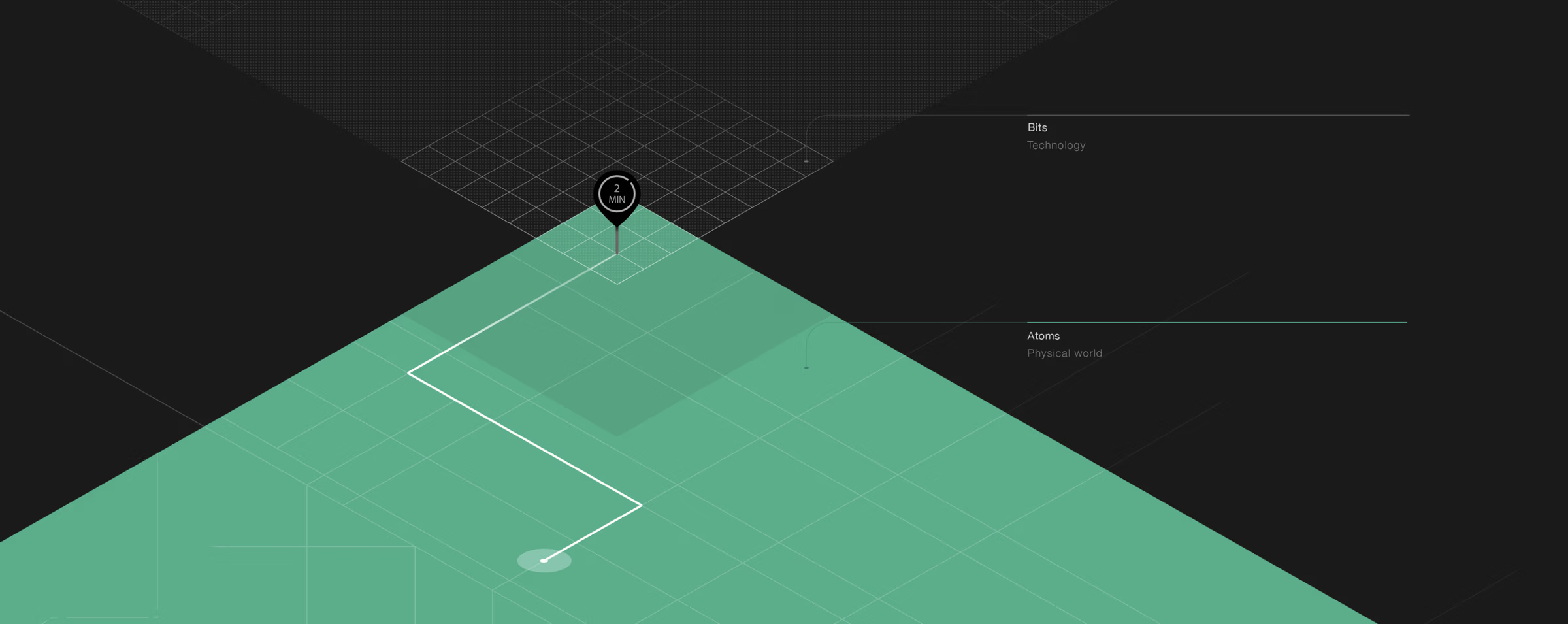
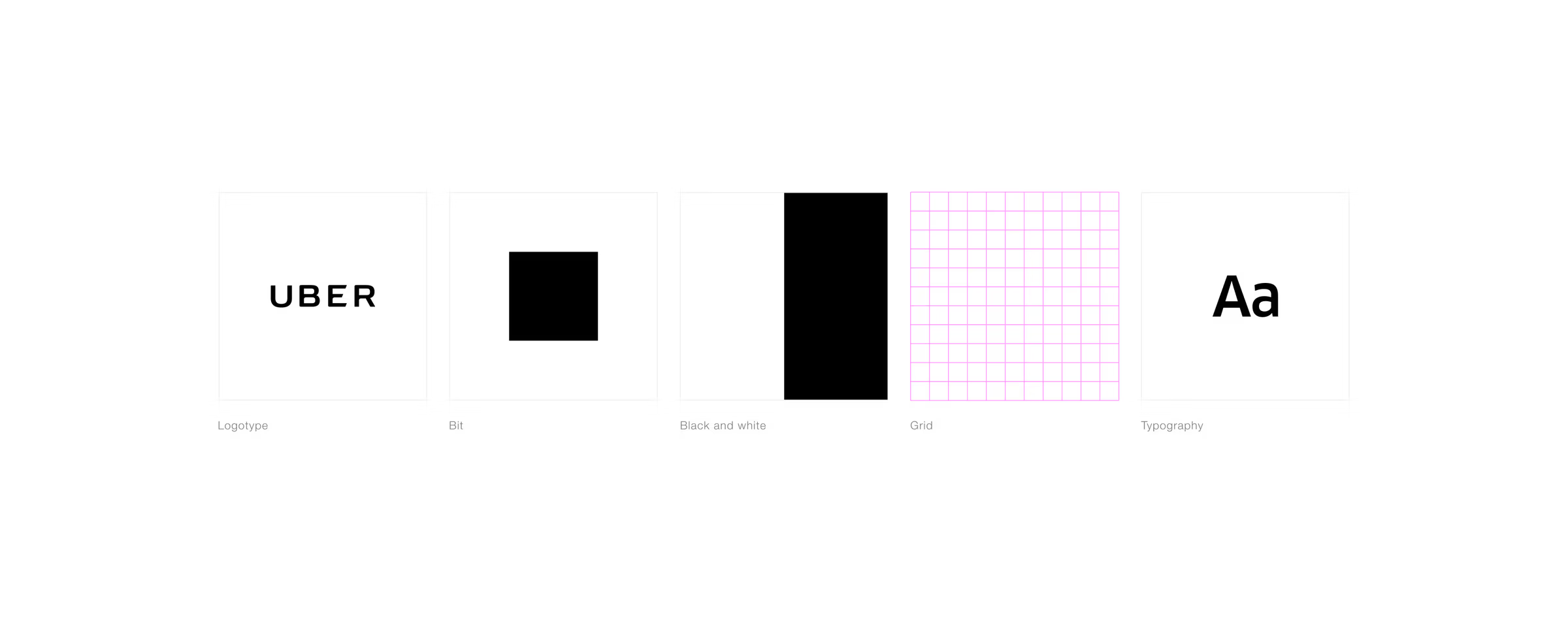
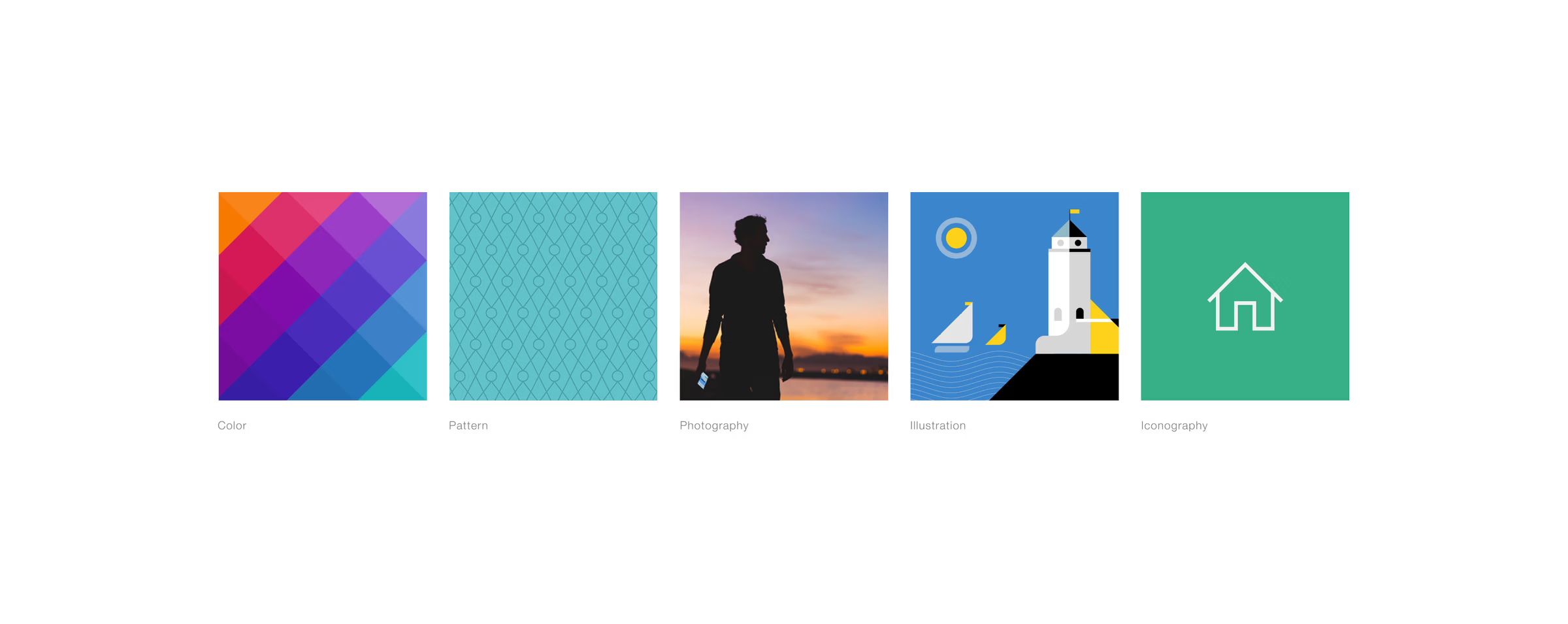
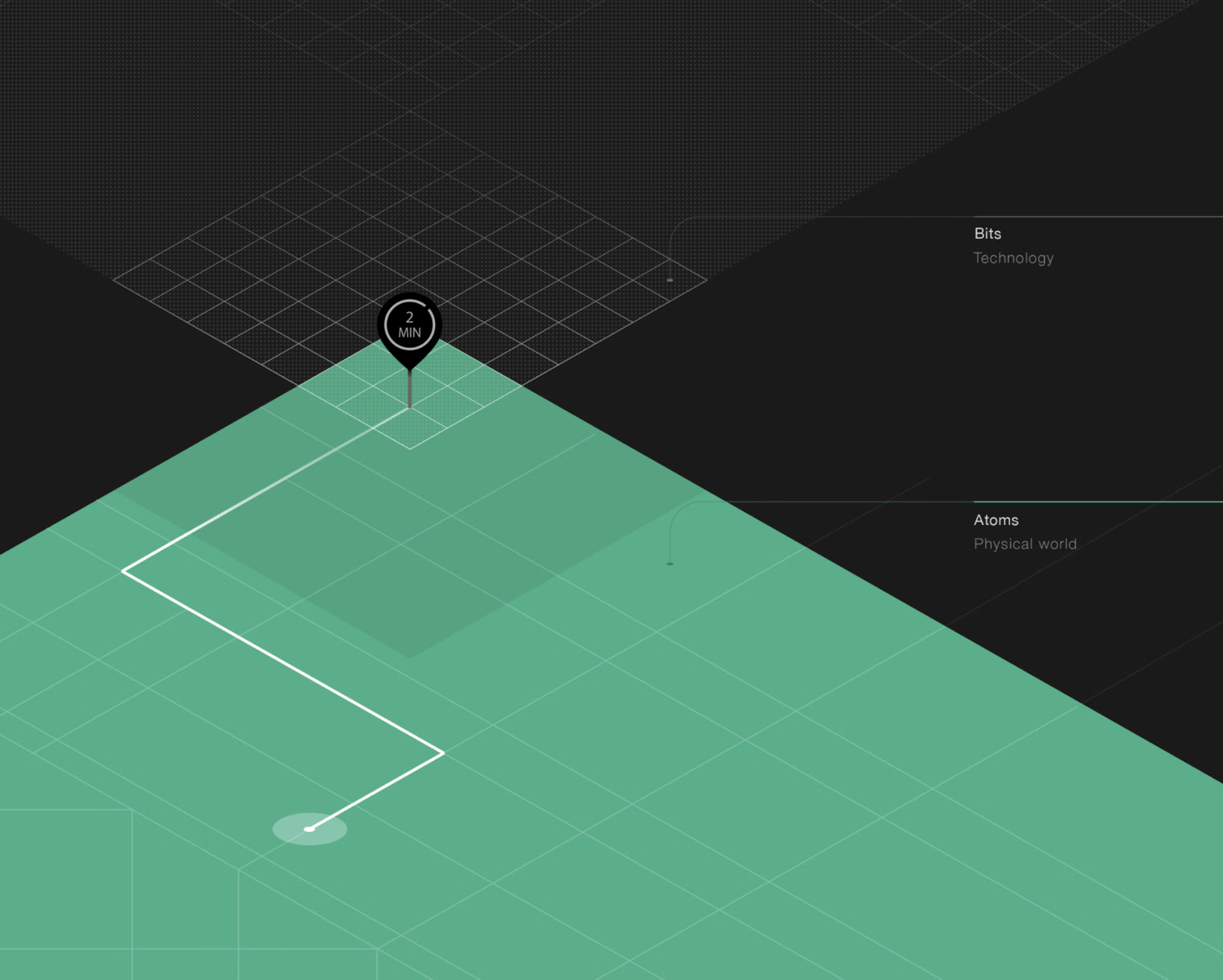
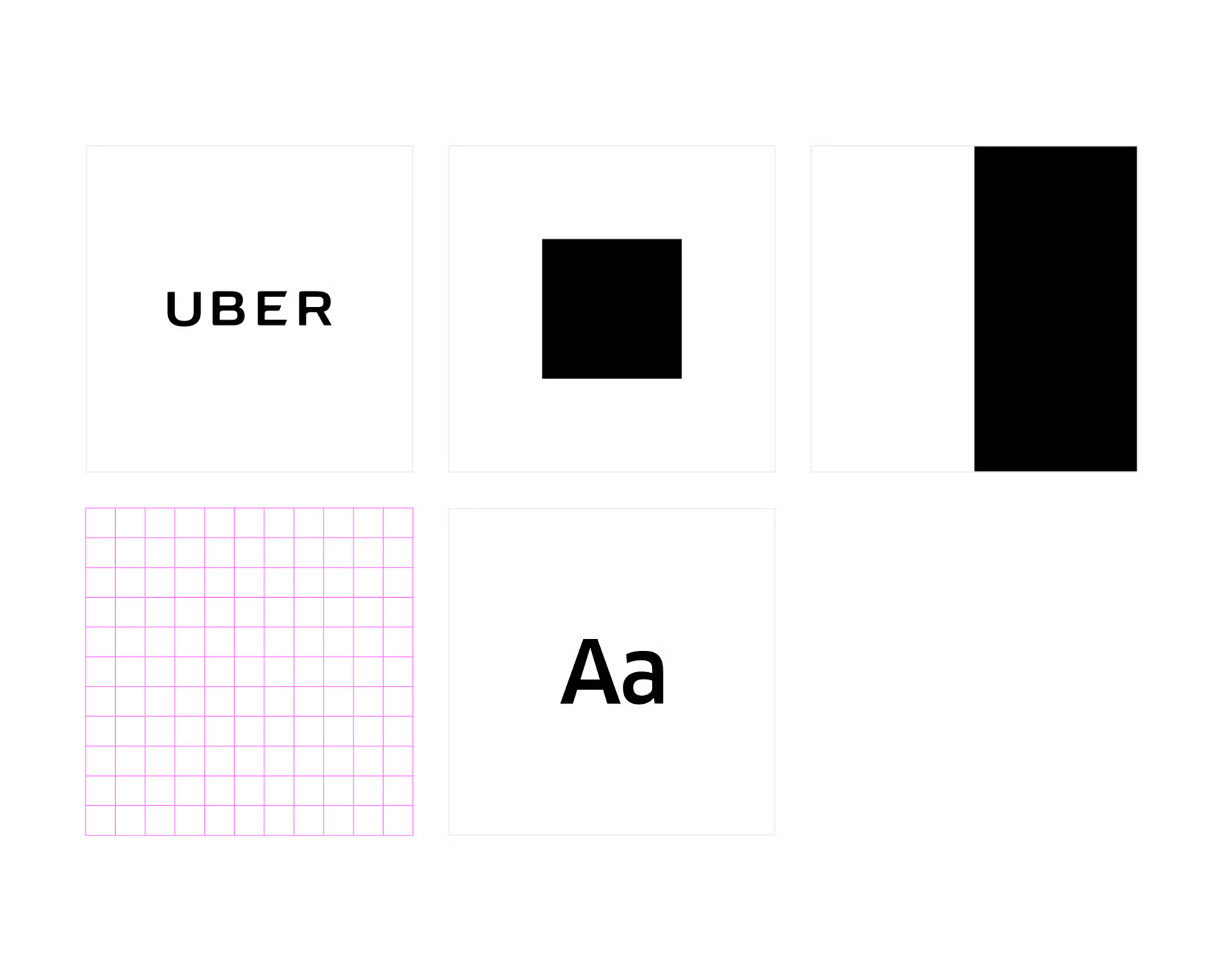
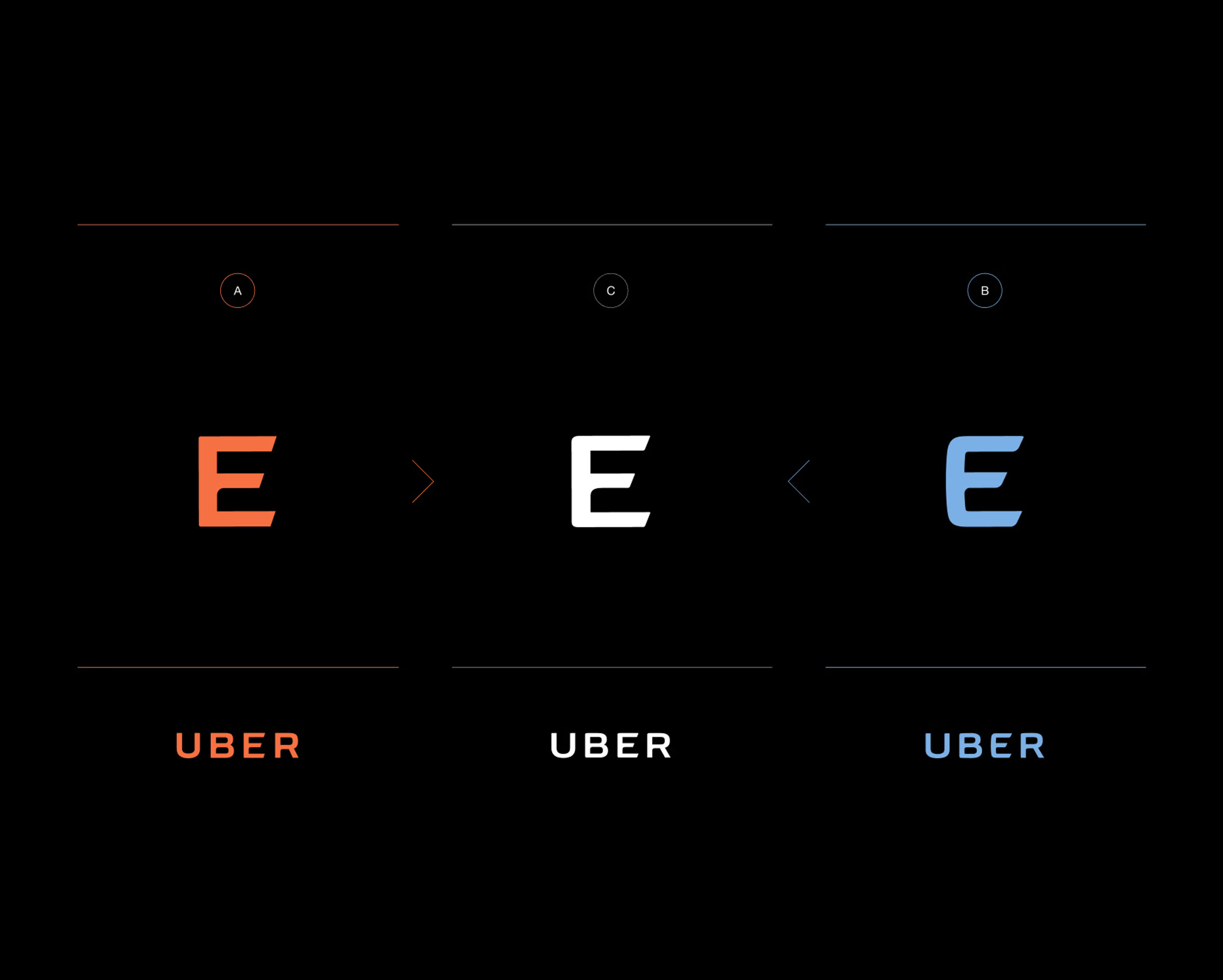
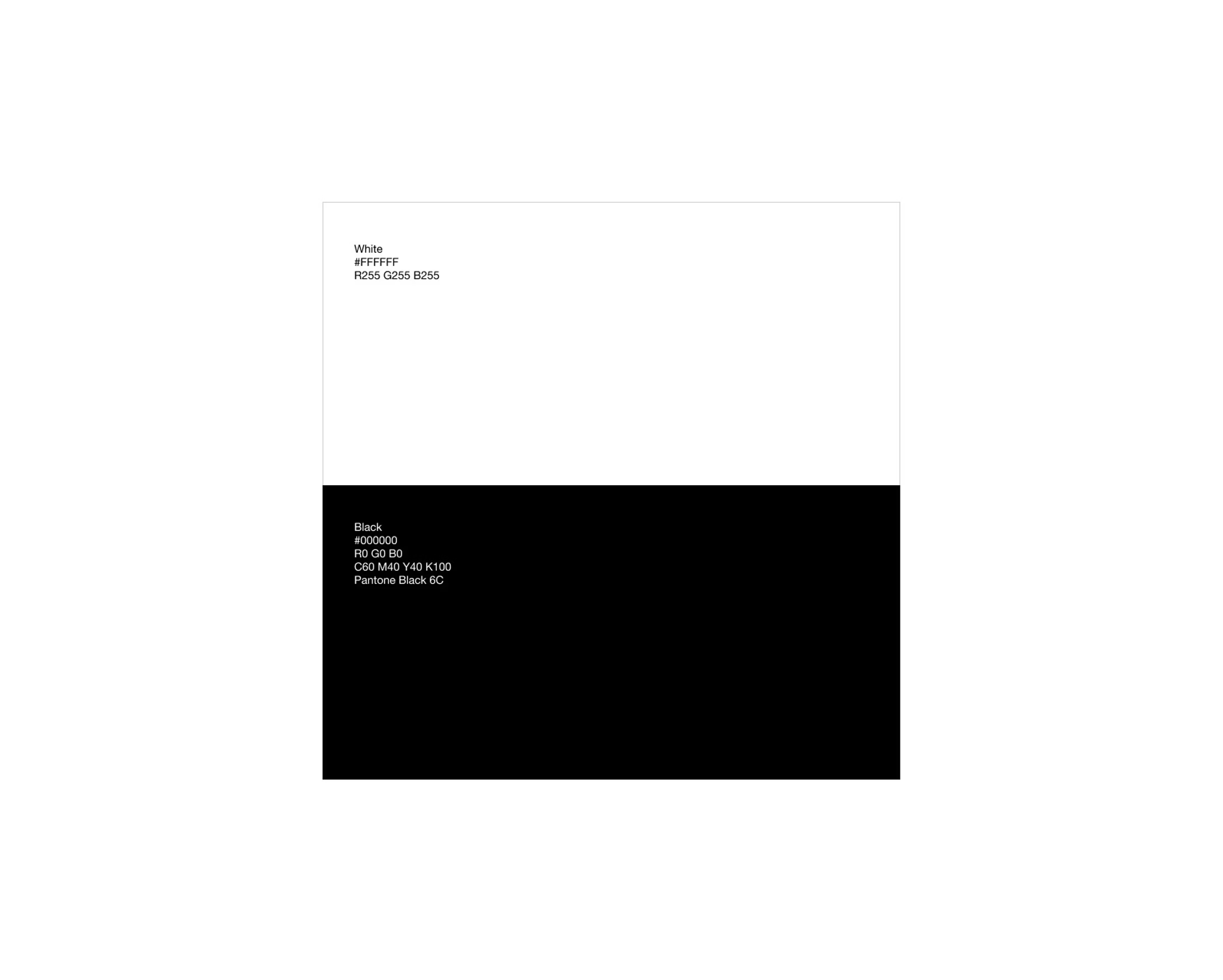
Working closely with the head of design and Uber's leadership, the answer was a core concept called Bits & Atoms: technology meeting the physical world. That tension became the foundation for the entire design framework, structured in two parts: consistent monochromatic components rooted in the Bit, creating coherence across every expression; and colorful, variable components rooted in the Atom, enabling localization and keeping the system fresh across markets.
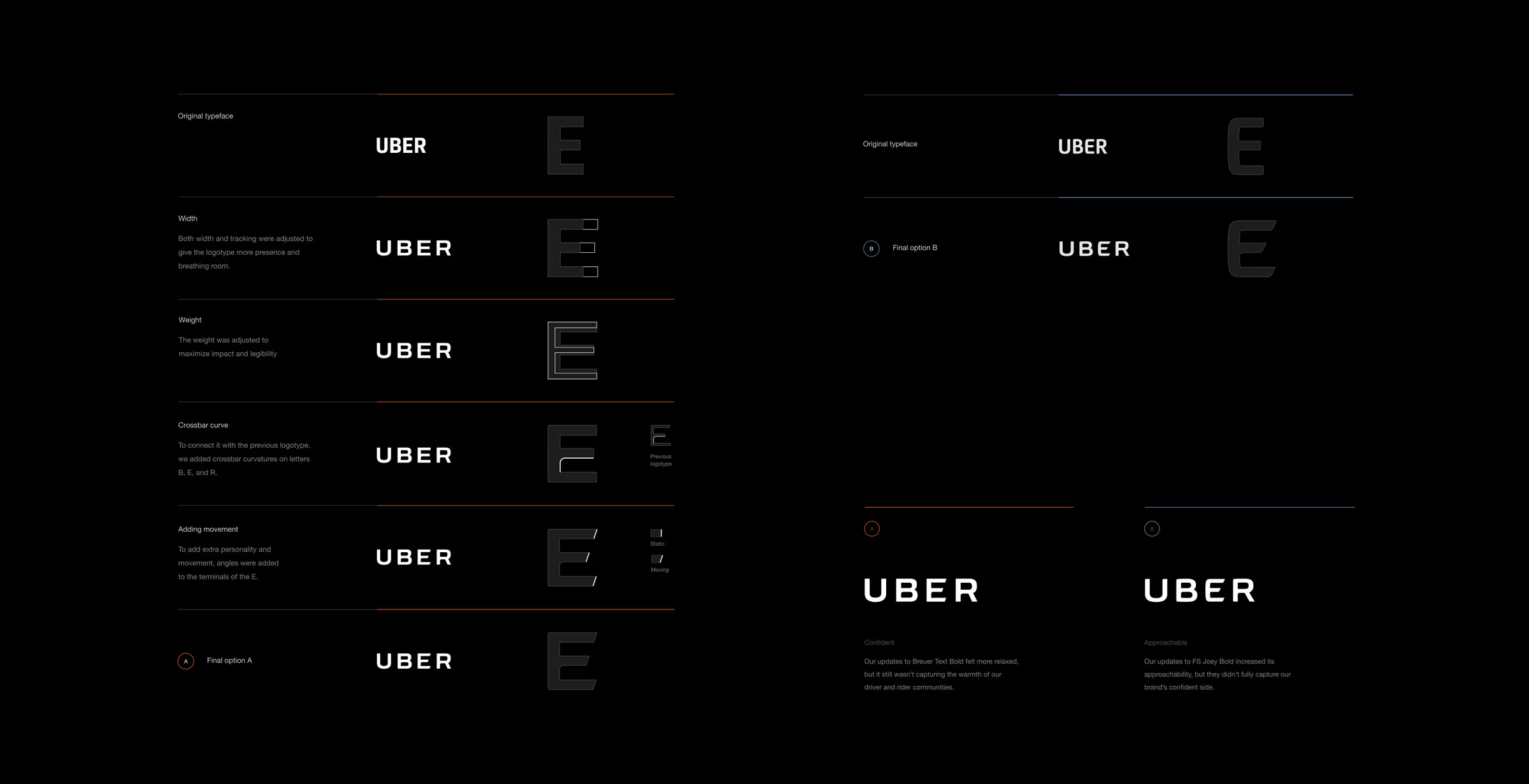
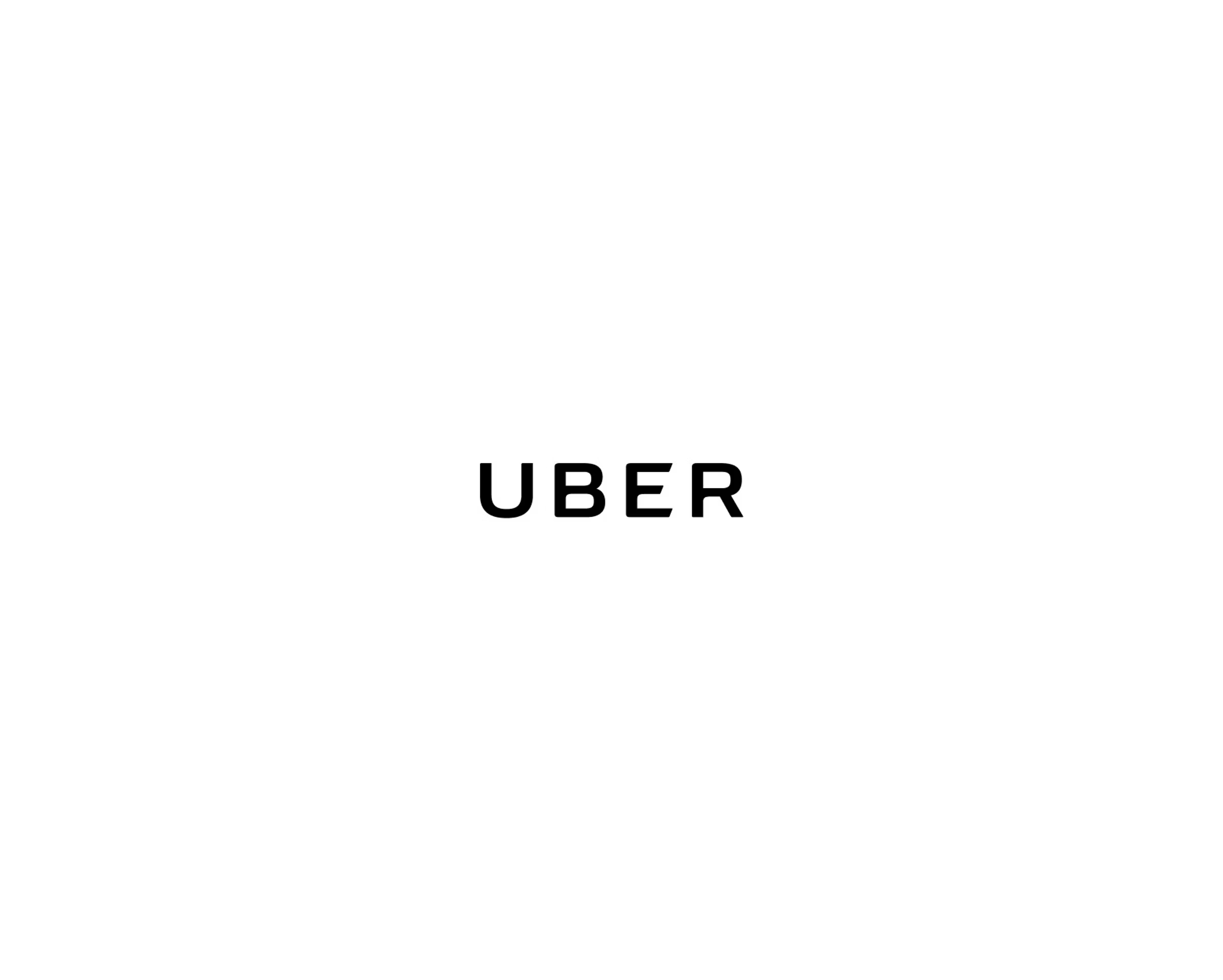
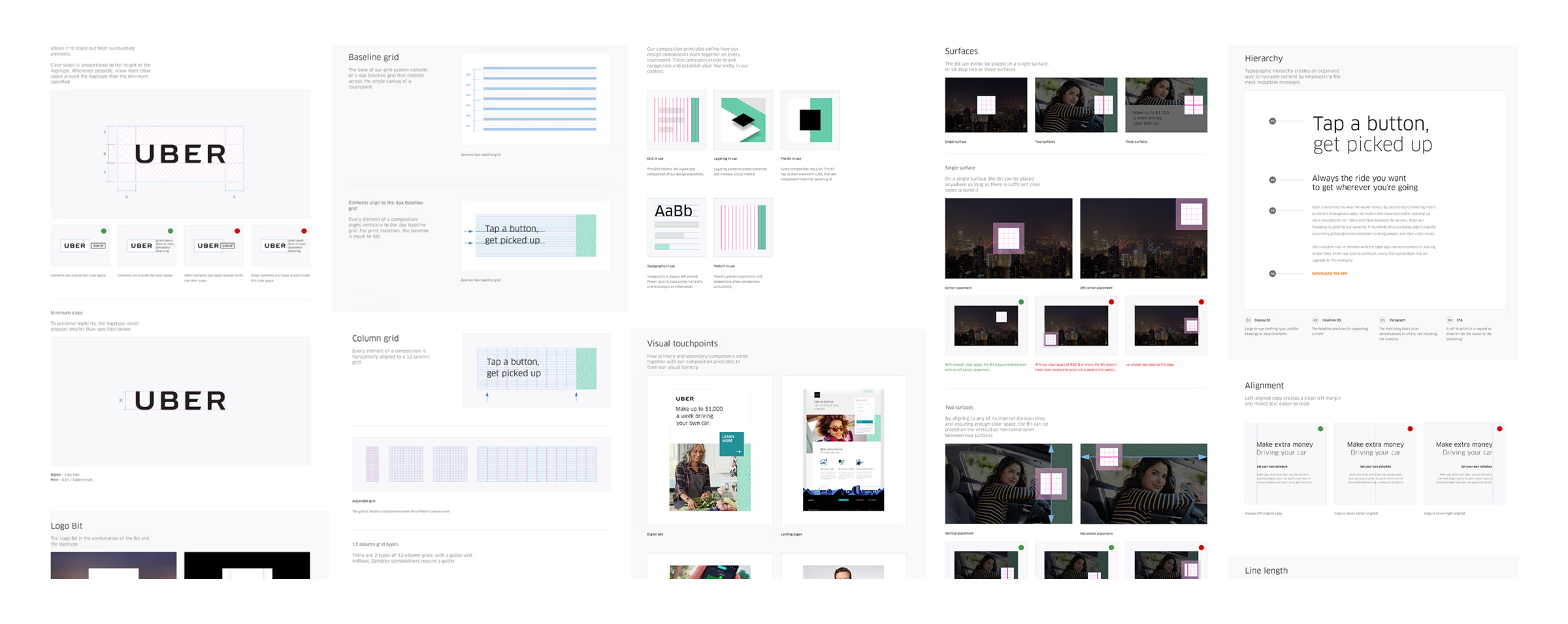
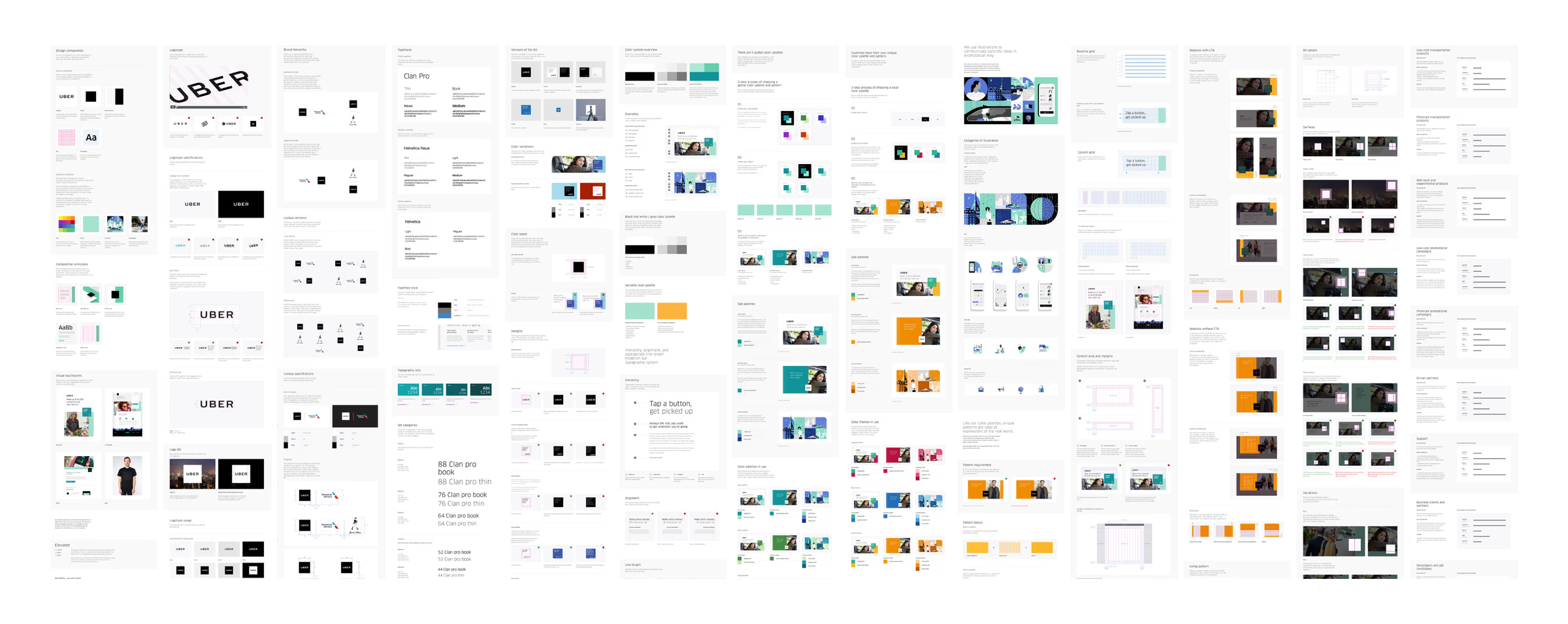
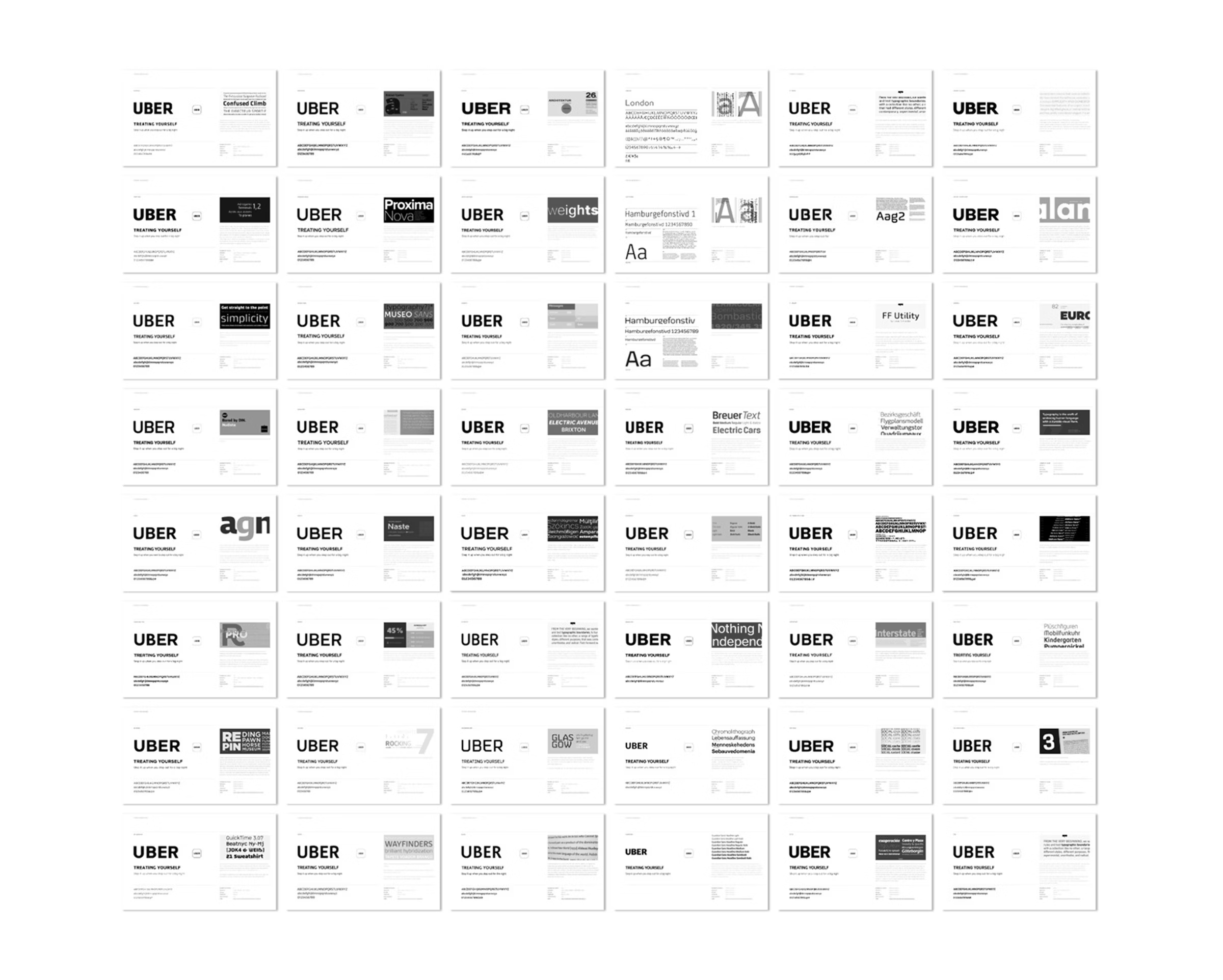
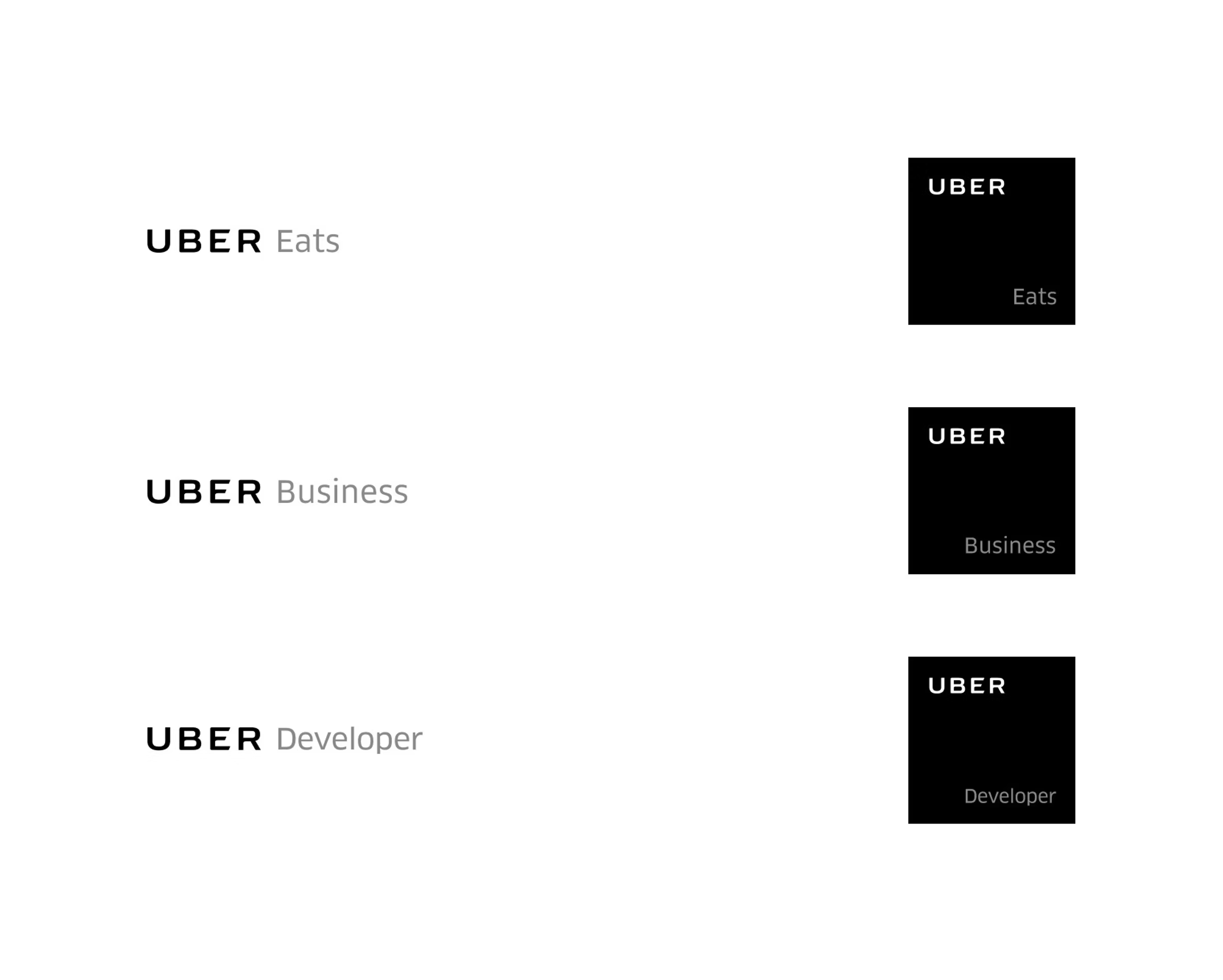
Drove the project end to end. Defined the design framework, crafted the Uber wordmark and its sub-brands, created the color spectrum and established the color architecture. Built and maintained the brand guidelines portal, defining guidelines, templates, and branded examples across print, packaging, web, and product.
Team: Head of Design: Shalin Amin · Design Manager: Strahan McMullen · Lead Brand Designer: Roger Oddone · Designers: Bryant Jow, Catherine Ray, Donald Wong, James Bamford, Lian Ng, Matt Riley, Mirtho Prepont.
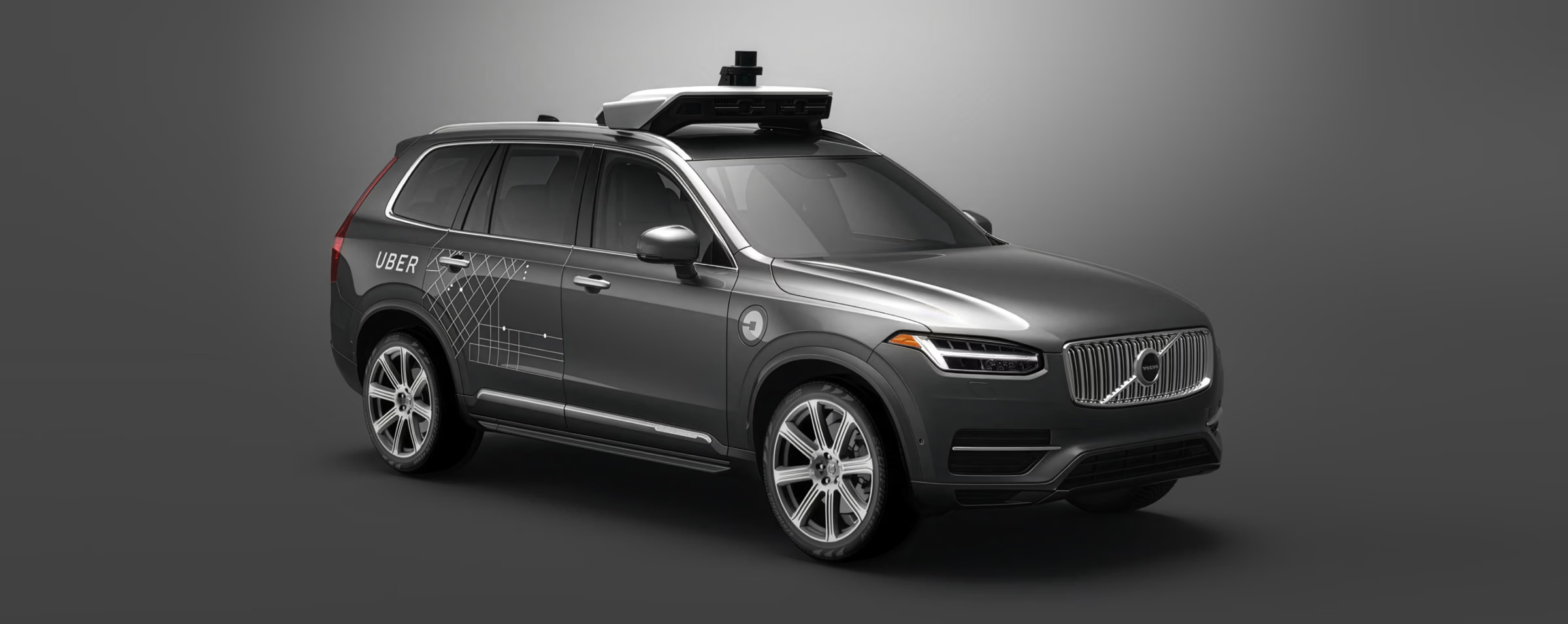
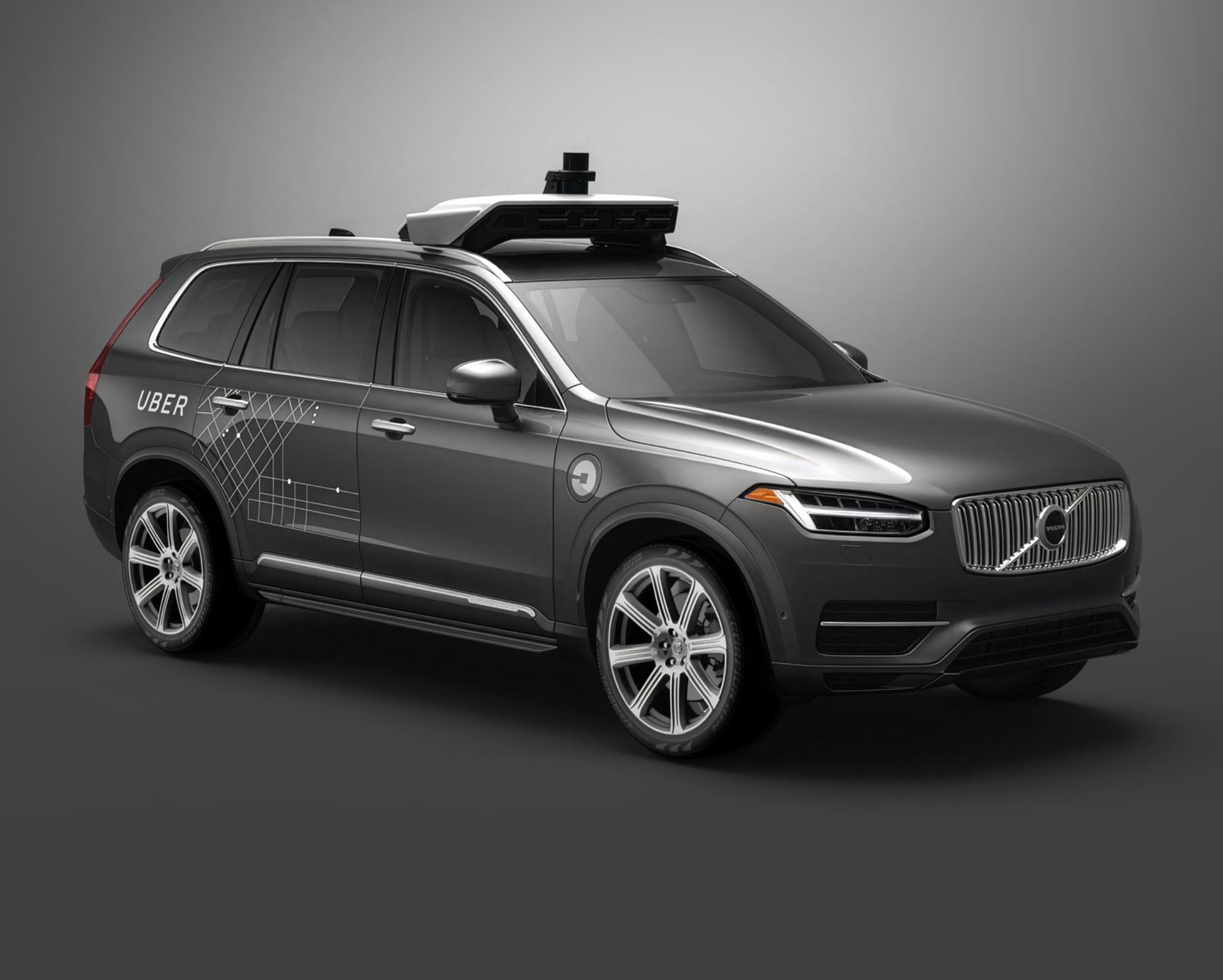
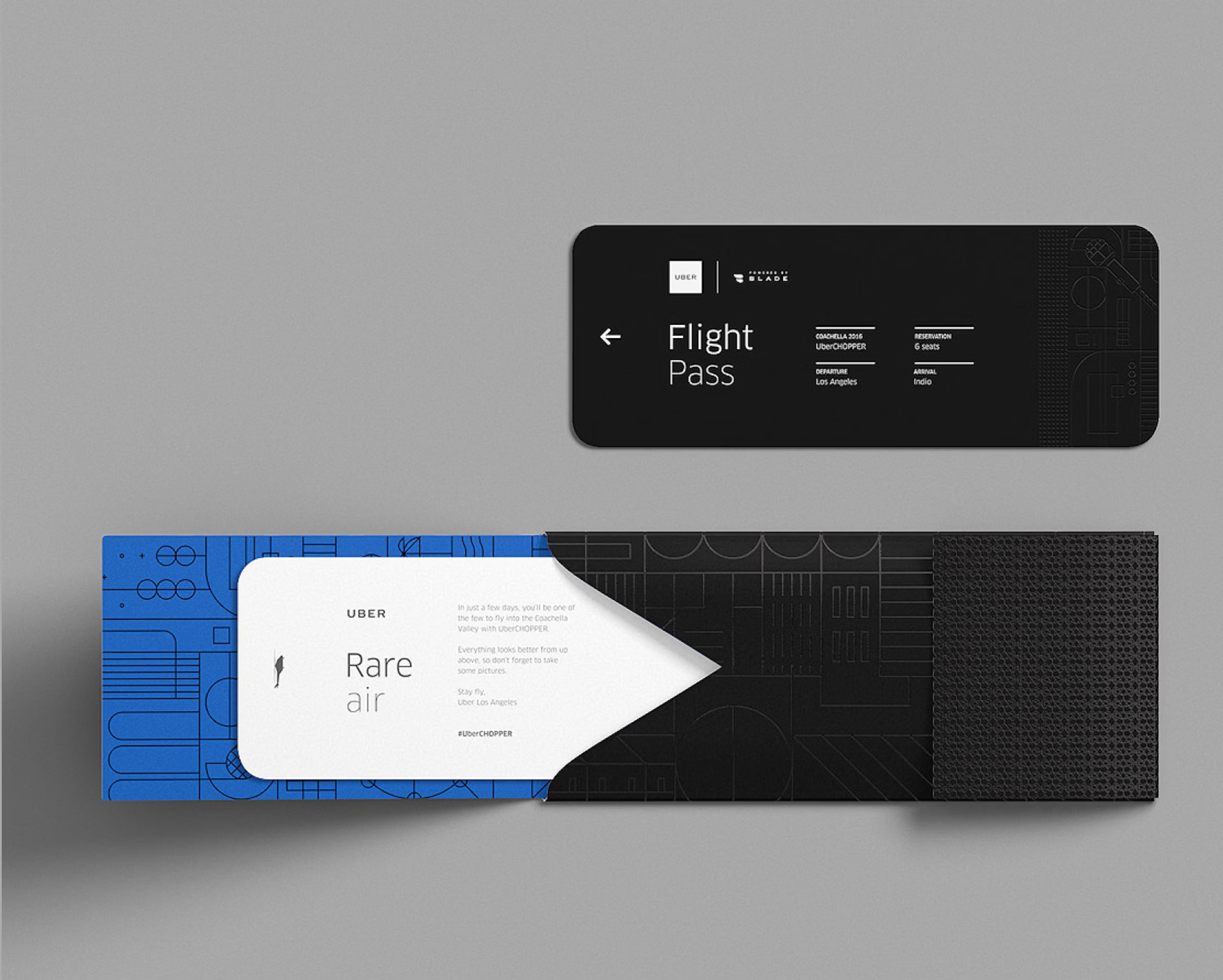
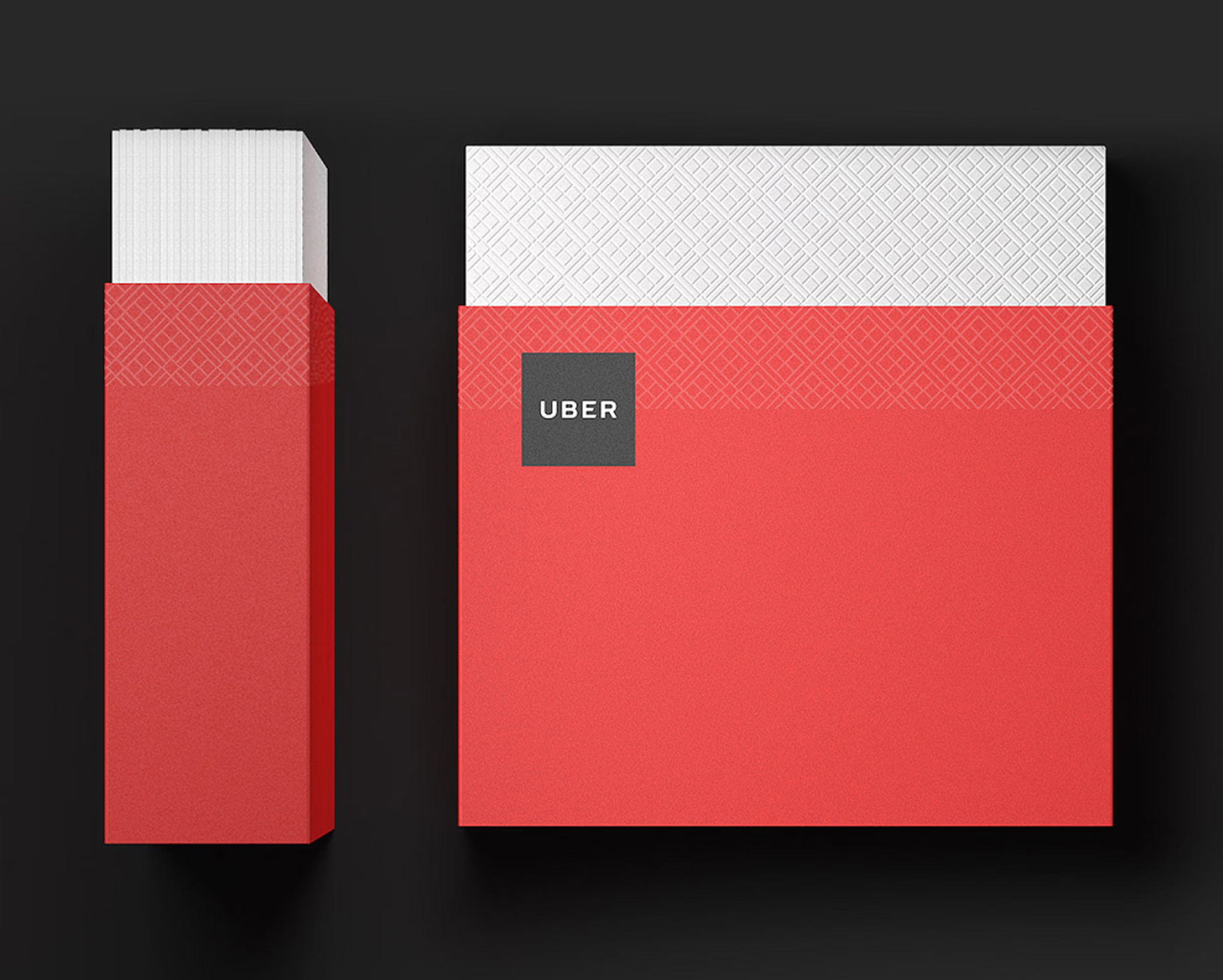
Additional credits: Thank You Cards, Designer: Catherine Ray · UberCHOPPER Tickets, Art Director: Jeremy Perez-Cruz, Designer: Jessica Duong · Uber Autonomous Vehicle Artwork, Design Director: Didier Hilhorst, Art Director: Mirtho Prepont, Designer: Richard Donnelly.
2016
Designed the wordmark and identity system on the 2016 rebrand
Back in 2014, when I joined Uber, the company had outgrown its identity. What began as a premium ride service had become, during a period of hyper-growth, a global platform spanning dozens of products and price points. The existing brand had no language for that complexity.
Working closely with the head of design and Uber's leadership, the answer was a core concept called Bits & Atoms: technology meeting the physical world. That tension became the foundation for the entire design framework, structured in two parts: consistent monochromatic components rooted in the Bit, creating coherence across every expression; and colorful, variable components rooted in the Atom, enabling localization and keeping the system fresh across markets.
Drove the project end to end. Defined the design framework, crafted the Uber wordmark and its sub-brands, created the color spectrum and established the color architecture. Built and maintained the brand guidelines portal, defining guidelines, templates, and branded examples across print, packaging, web, and product.
Team: Head of Design: Shalin Amin · Design Manager: Strahan McMullen · Lead Brand Designer: Roger Oddone · Designers: Bryant Jow, Catherine Ray, Donald Wong, James Bamford, Lian Ng, Matt Riley, Mirtho Prepont.
Additional credits: Thank You Cards, Designer: Catherine Ray · UberCHOPPER Tickets, Art Director: Jeremy Perez-Cruz, Designer: Jessica Duong · Uber Autonomous Vehicle Artwork, Design Director: Didier Hilhorst, Art Director: Mirtho Prepont, Designer: Richard Donnelly.
2016


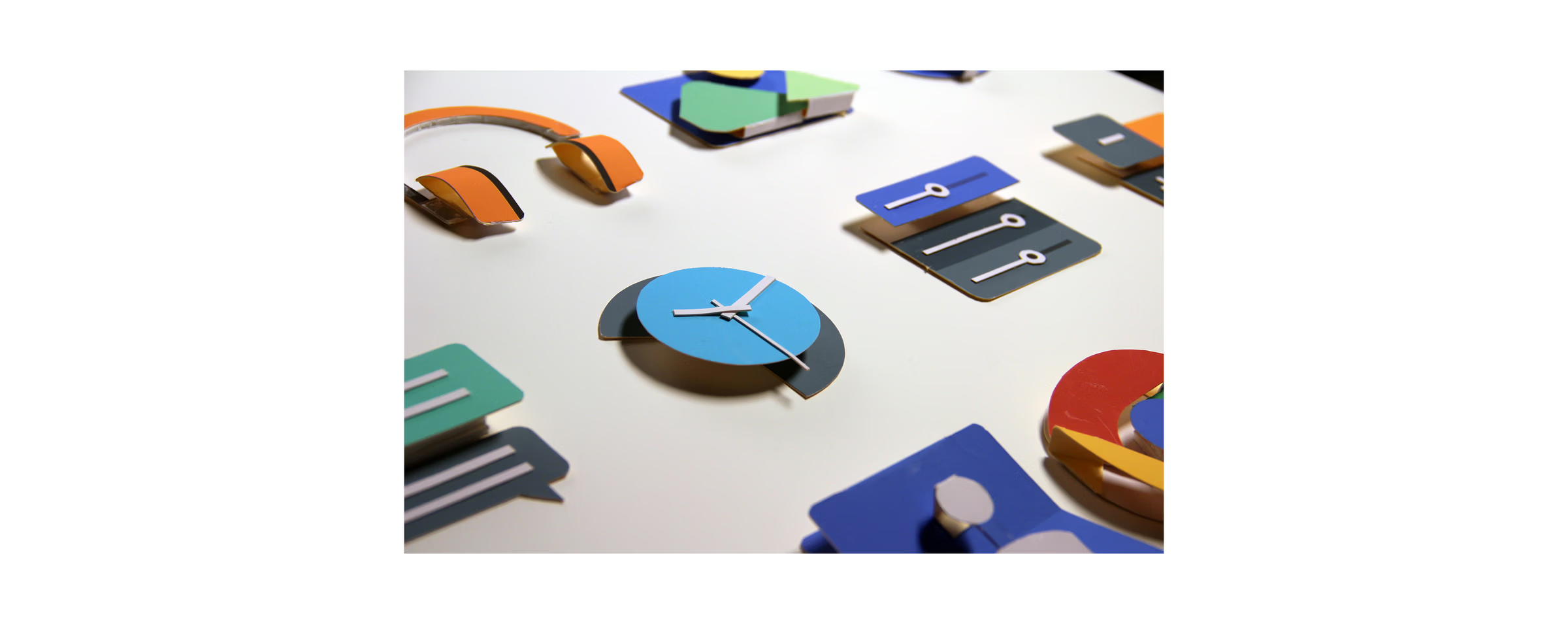



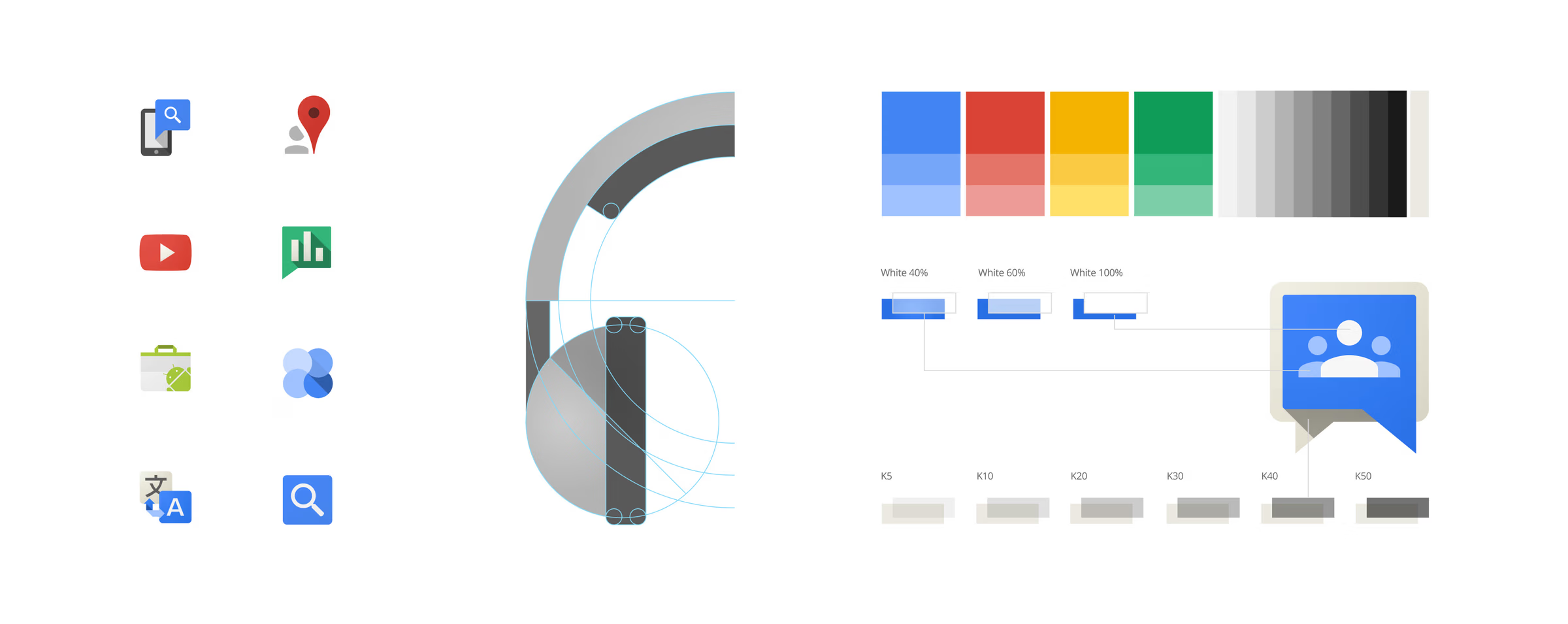
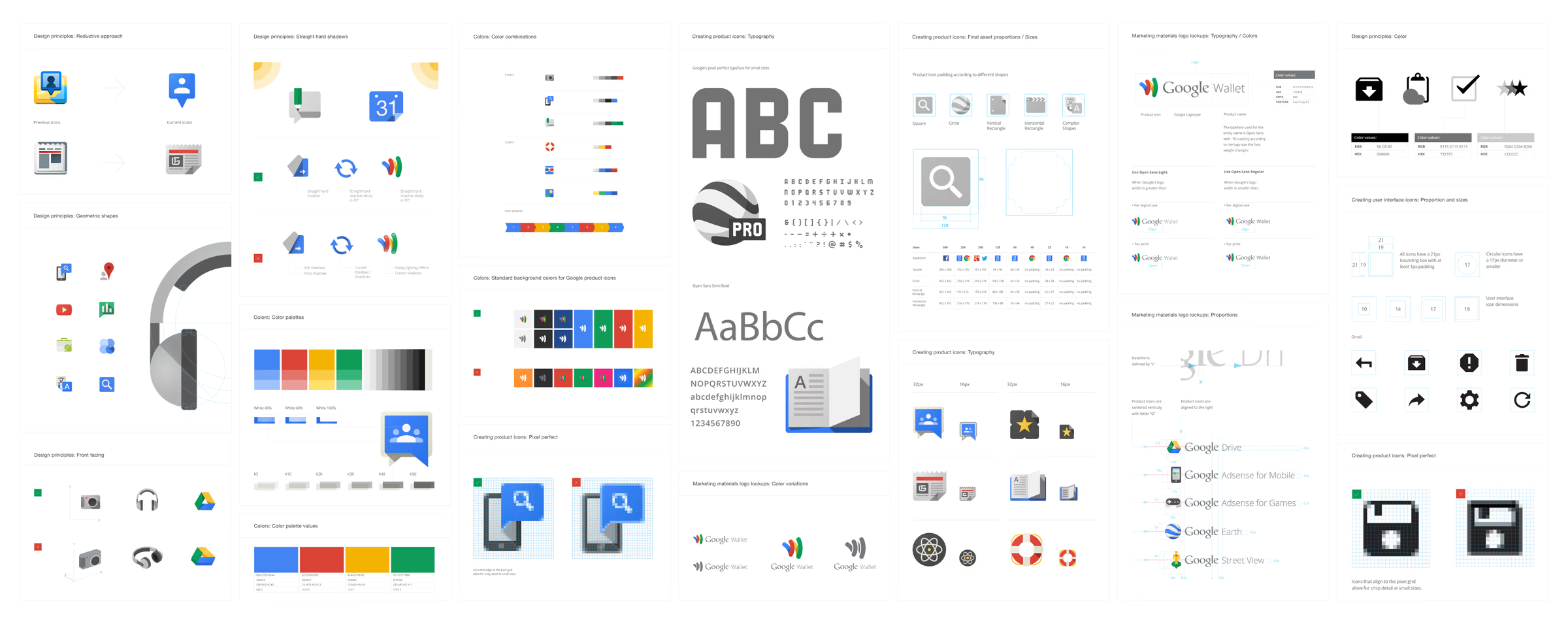
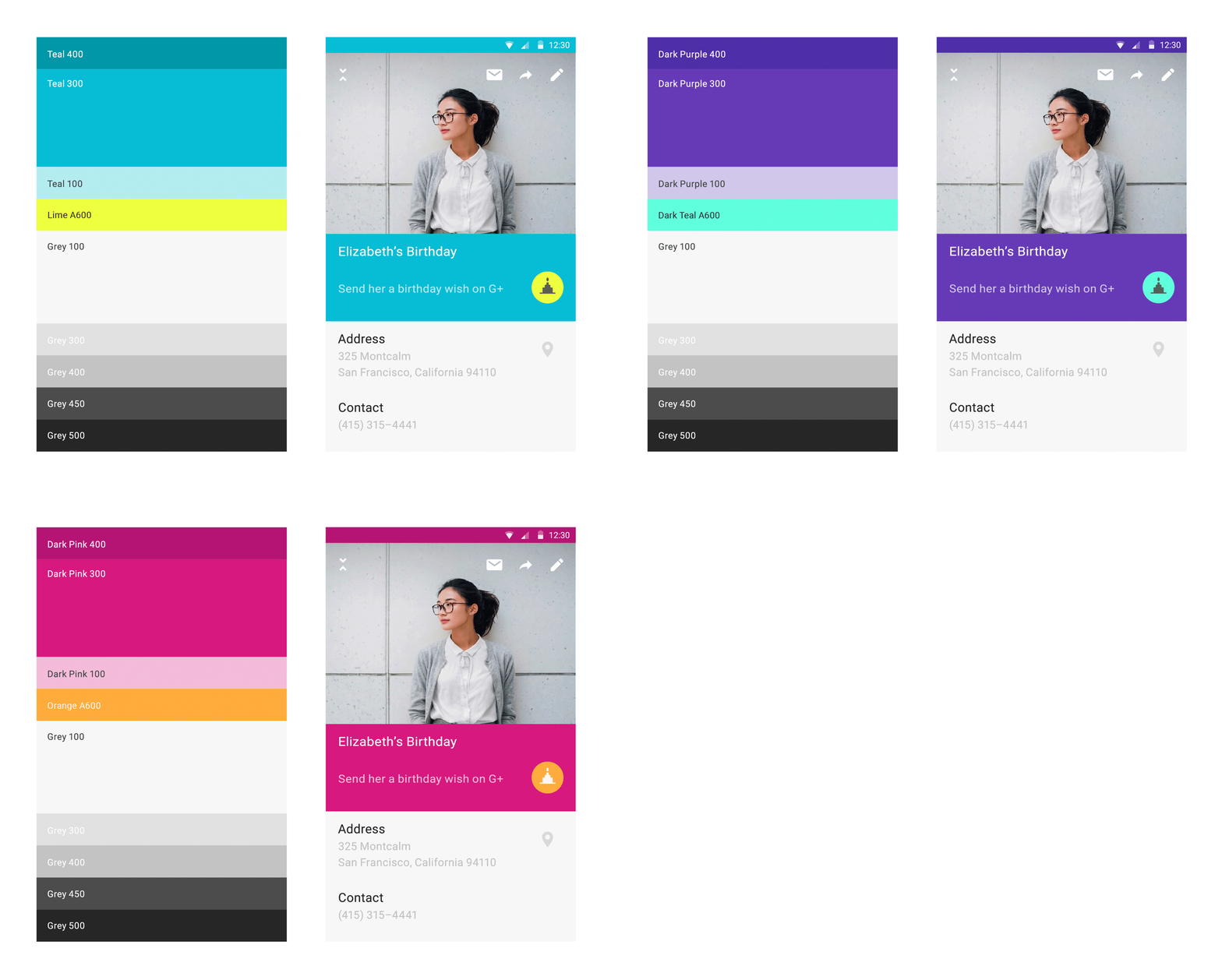




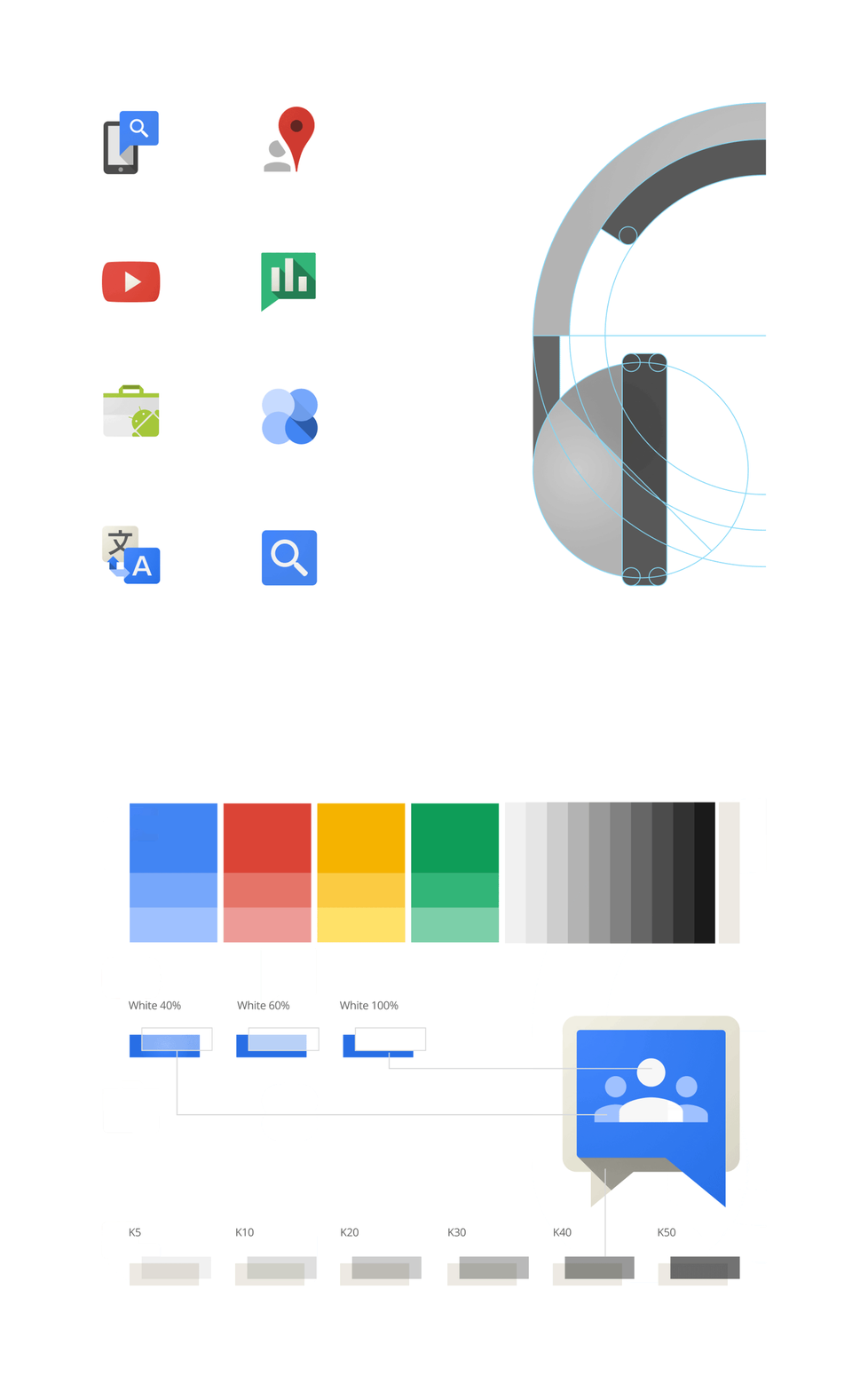
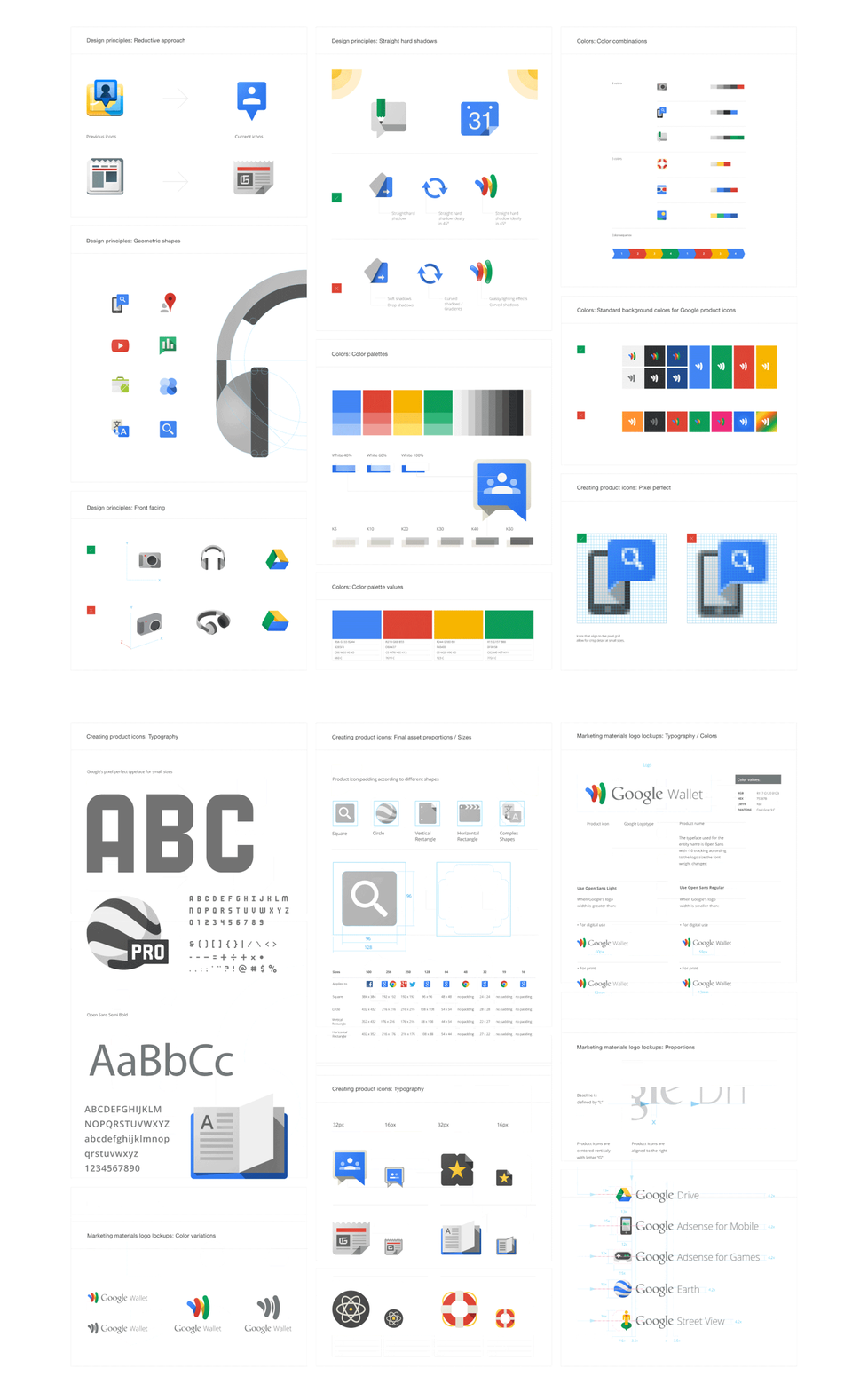
Built the color system of Material Design


Textural typeface
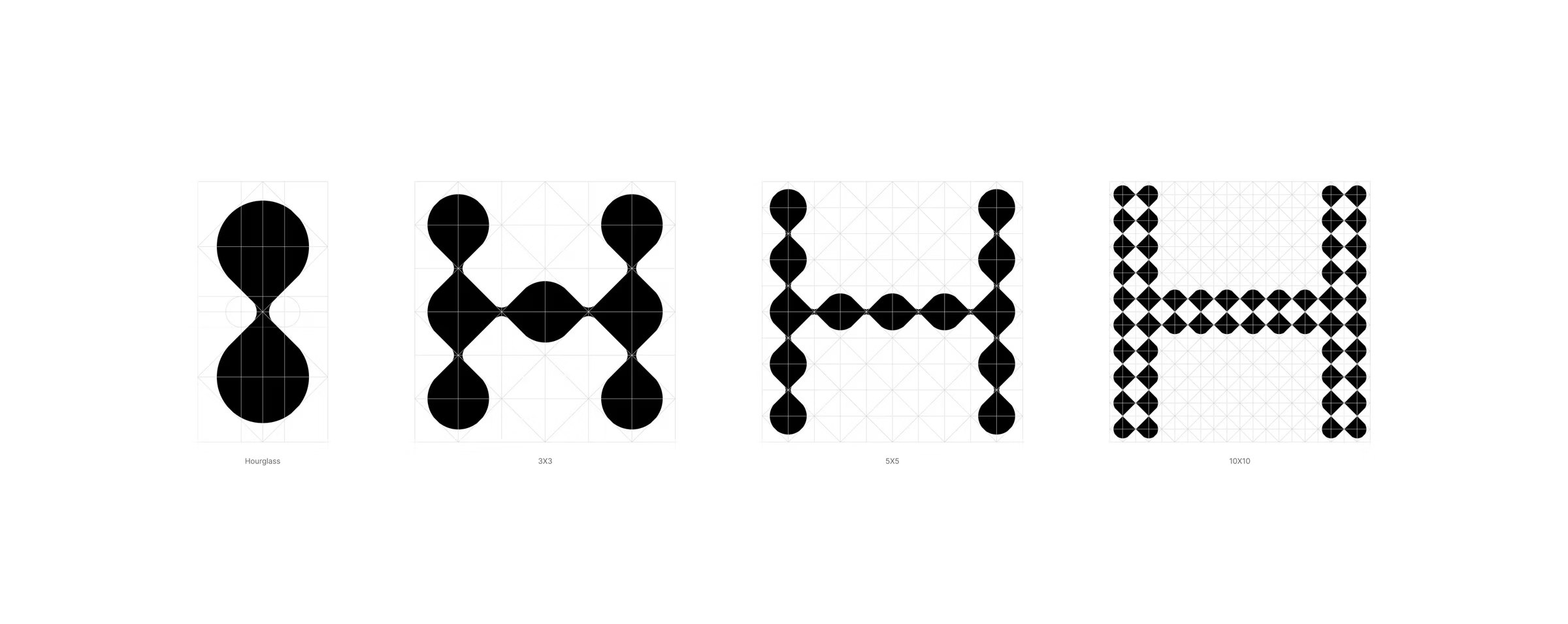
HG26 is an experimental typeface where the letterforms are vessels, the particles are the texture that fills them, and interaction sets them in motion. They behave like sand in an hourglass: some drawn toward the cursor, others pushed away, the rest left to fall under gravity.
It began as an exploration of particles, and the typeface emerged as what gave them purpose. I drew the first characters in Illustrator and gave up quickly, since changing one weight meant redrawing everything. So I built a tool instead, with AI as a coding partner. Grid, weight, width and thickness now move across every glyph at once, and a color wheel handles the palettes.
The typeface lives here, in my website, not in a font file. Type your own words, change the palette and move the particles yourself. Have fun.
2026
Built a typeface that draws itself from particles
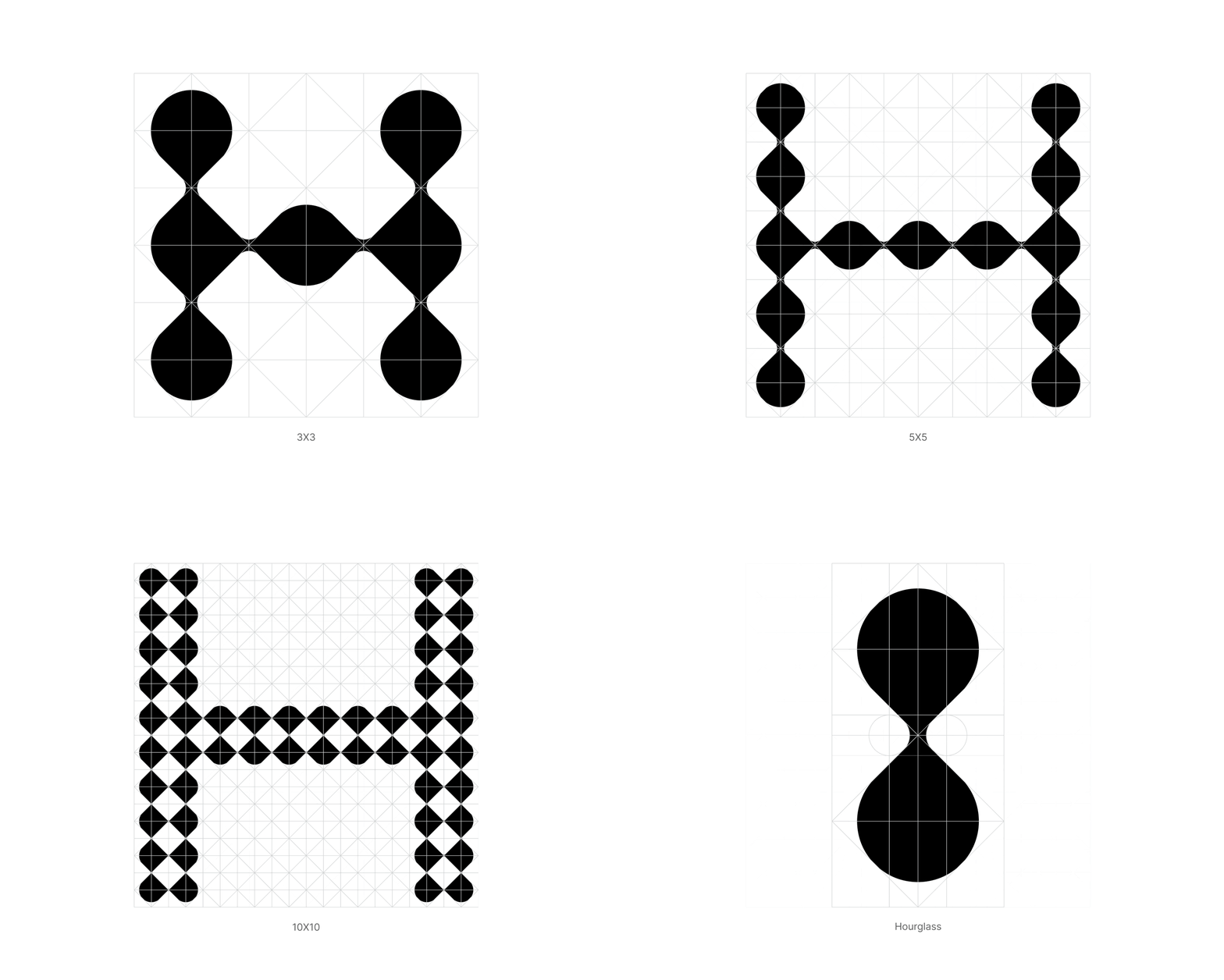
HG26 is an experimental typeface where the letterforms are vessels, the particles are the texture that fills them, and interaction sets them in motion. They behave like sand in an hourglass: some drawn toward the cursor, others pushed away, the rest left to fall under gravity.
It began as an exploration of particles, and the typeface emerged as what gave them purpose. I drew the first characters in Illustrator and gave up quickly, since changing one weight meant redrawing everything. So I built a tool instead, with AI as a coding partner. Grid, weight, width and thickness now move across every glyph at once, and a color wheel handles the palettes.
The typeface lives here, in my website, not in a font file. Tap launch so you can type your own words, change the palette and move the particles yourself. Have fun.
2026




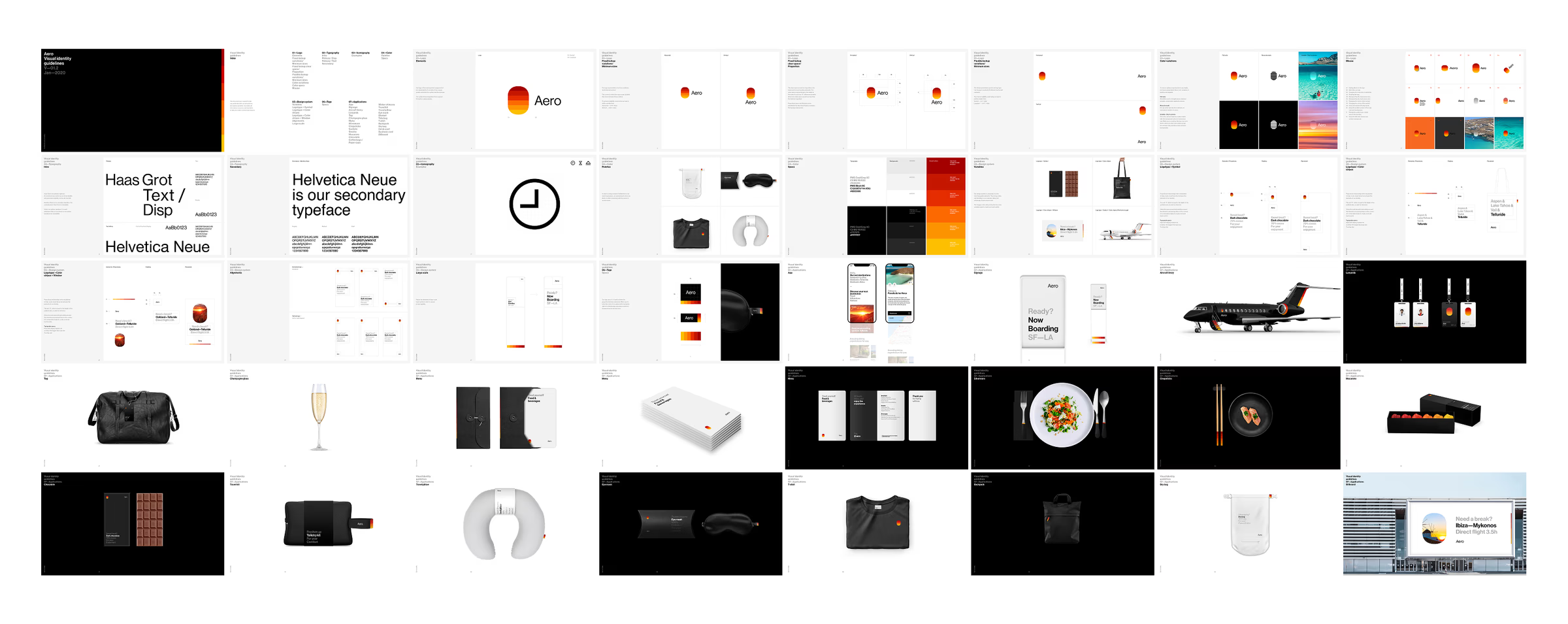


Aero is a semi-private airline offering a premium, intimate flying experience between select destinations.
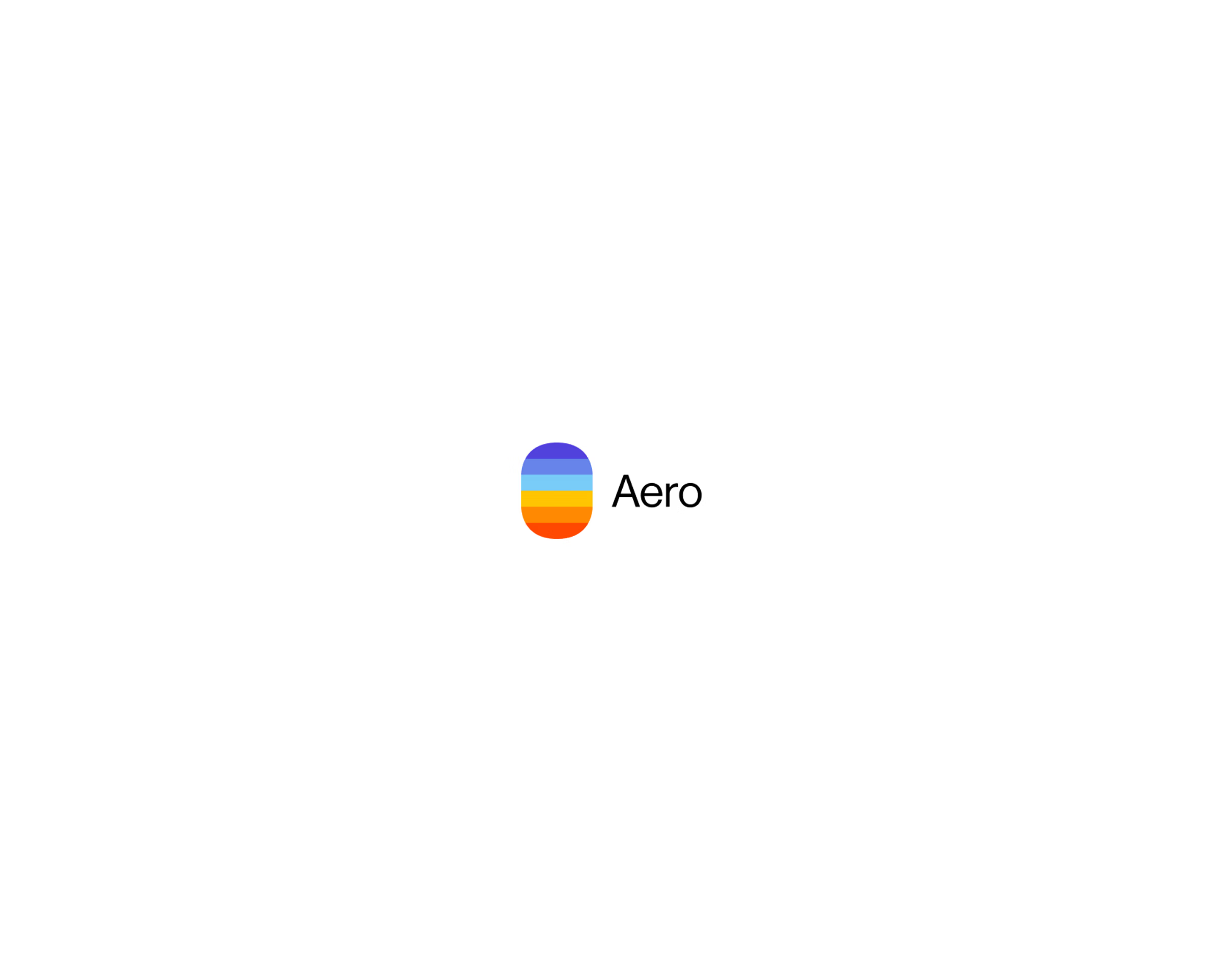
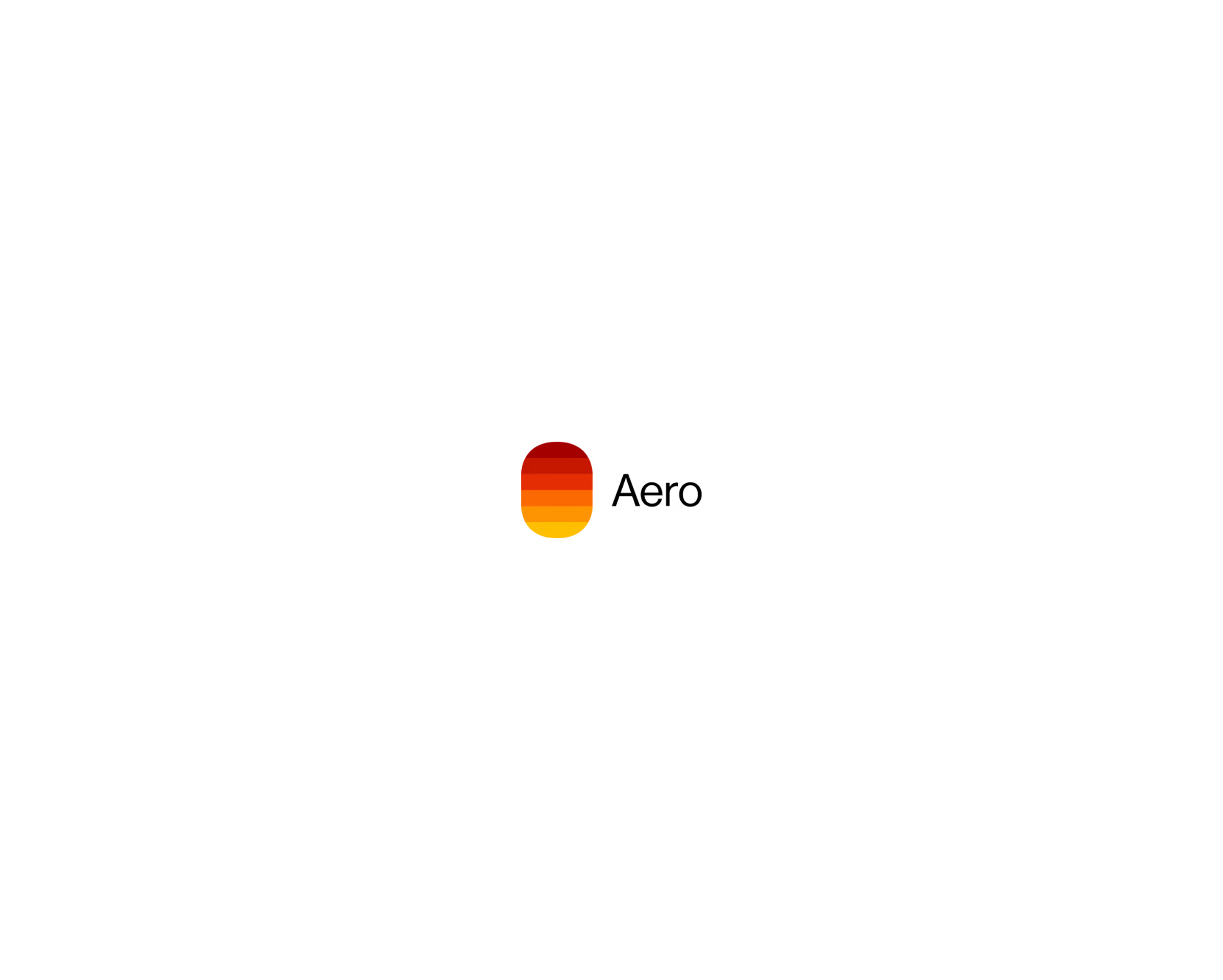
Aero came to me in 2019 to design the livery for their first plane and revisit the logo. The goal was to elevate the perception of luxury. My advice was to keep the symbol and wordmark but refine the palette, removing the blue tones and developing a warmer spectrum of yellows, oranges, and reds that better expressed the sunrise idea at the core of the brand.
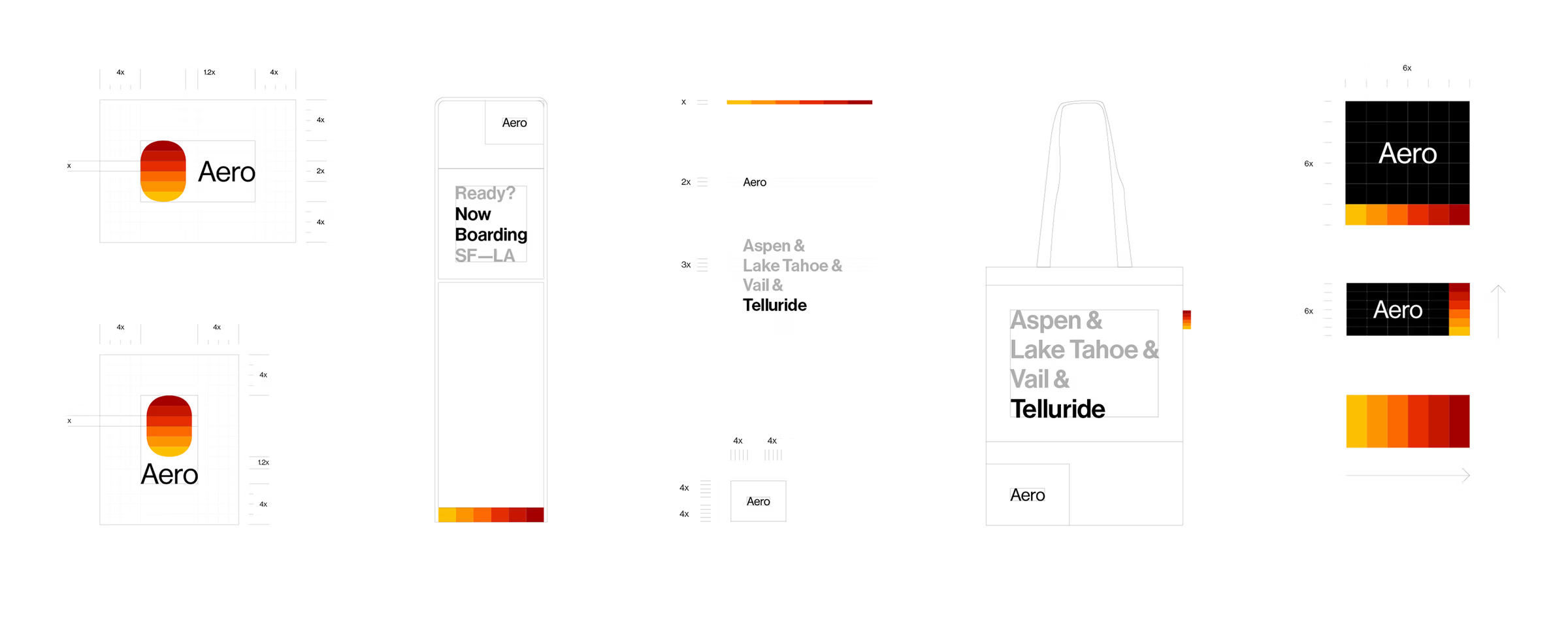
Rather than forcing the window color stripes onto other parts of the plane, we deconstructed the color component of the symbol and morphed it to fit the fuselage. The symbol was placed in the first window, and the staircase was wrapped in the gradient palette, turning boarding into part of the experience.
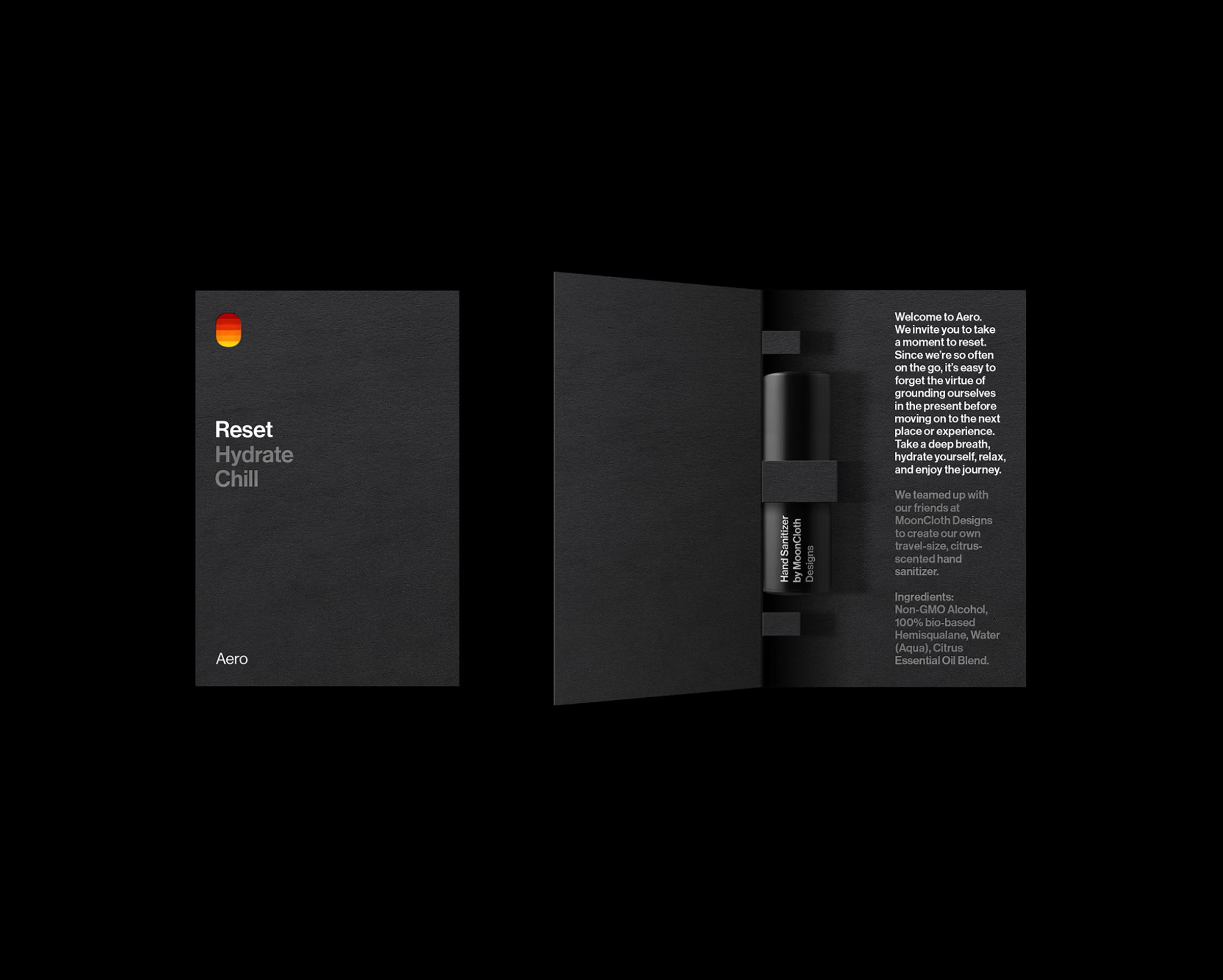
Testing the livery on black revealed something unexpected: the warm tones against dark backgrounds made the palette richer and more distinctive among airlines. That discovery became the foundation for a broader identity system built around Haas Grotesk and a restrained Swiss-inspired grid, flexing across boarding passes, destination cards, and amenity packaging while keeping the identity unmistakably Aero.
2019
Made boarding part of the brand
Aero is a semi-private airline offering a premium, intimate flying experience between select destinations.
Aero came to me in 2019 to design the livery for their first plane and revisit the logo. The goal was to elevate the perception of luxury. My advice was to keep the symbol and wordmark but refine the palette, removing the blue tones and developing a warmer spectrum of yellows, oranges, and reds that better expressed the sunrise idea at the core of the brand.
Rather than forcing the window color stripes onto other parts of the plane, we deconstructed the color component of the symbol and morphed it to fit the fuselage. The symbol was placed in the first window, and the staircase was wrapped in the gradient palette, turning boarding into part of the experience.
Testing the livery on black revealed something unexpected: the warm tones against dark backgrounds made the palette richer and more distinctive among airlines. That discovery became the foundation for a broader identity system built around Haas Grotesk and a restrained Swiss-inspired grid, flexing across boarding passes, destination cards, and amenity packaging while keeping the identity unmistakably Aero.
2019
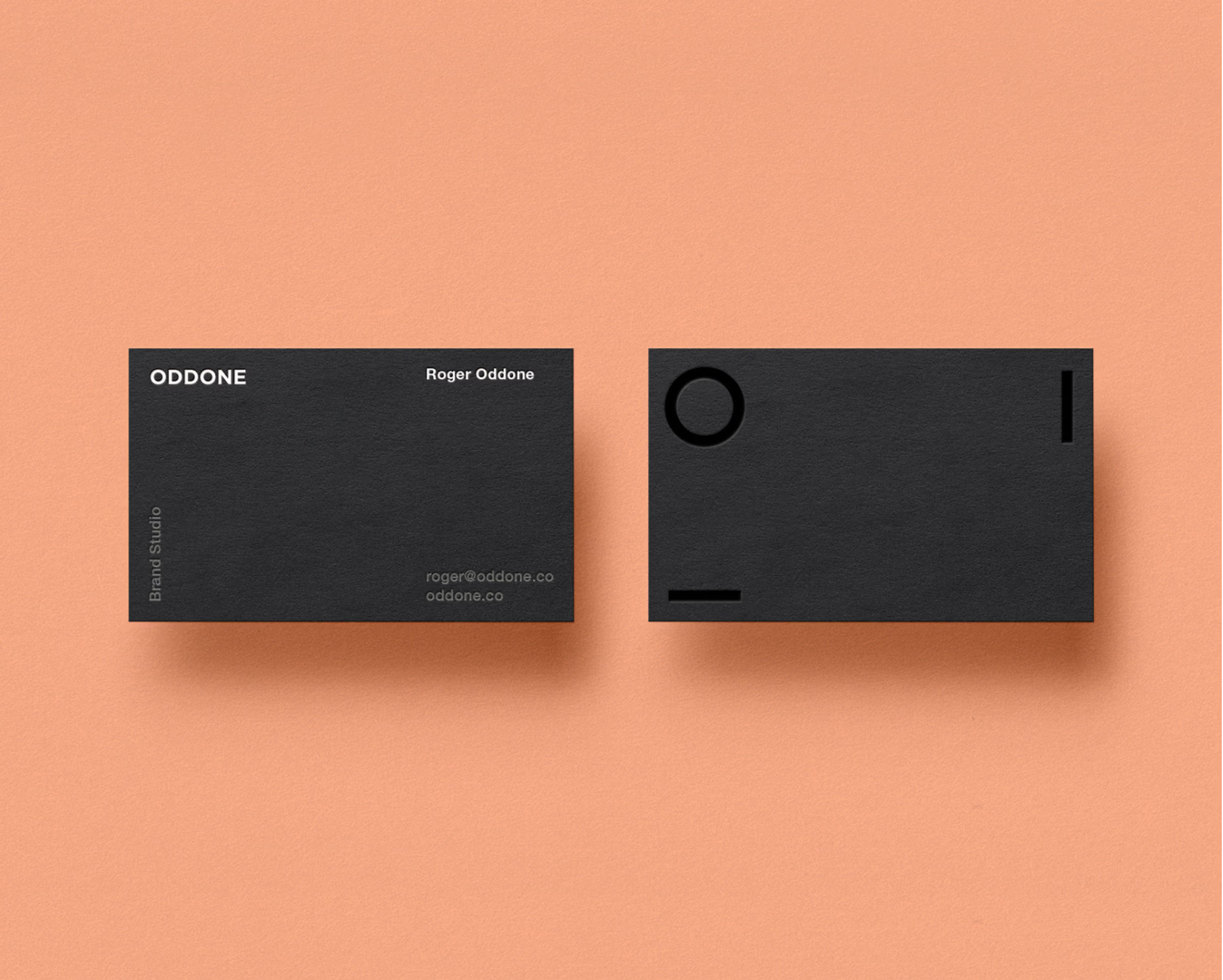



After Uber, I started Oddone, a brand identity studio in San Francisco specializing in visual identities for forward-thinking businesses.
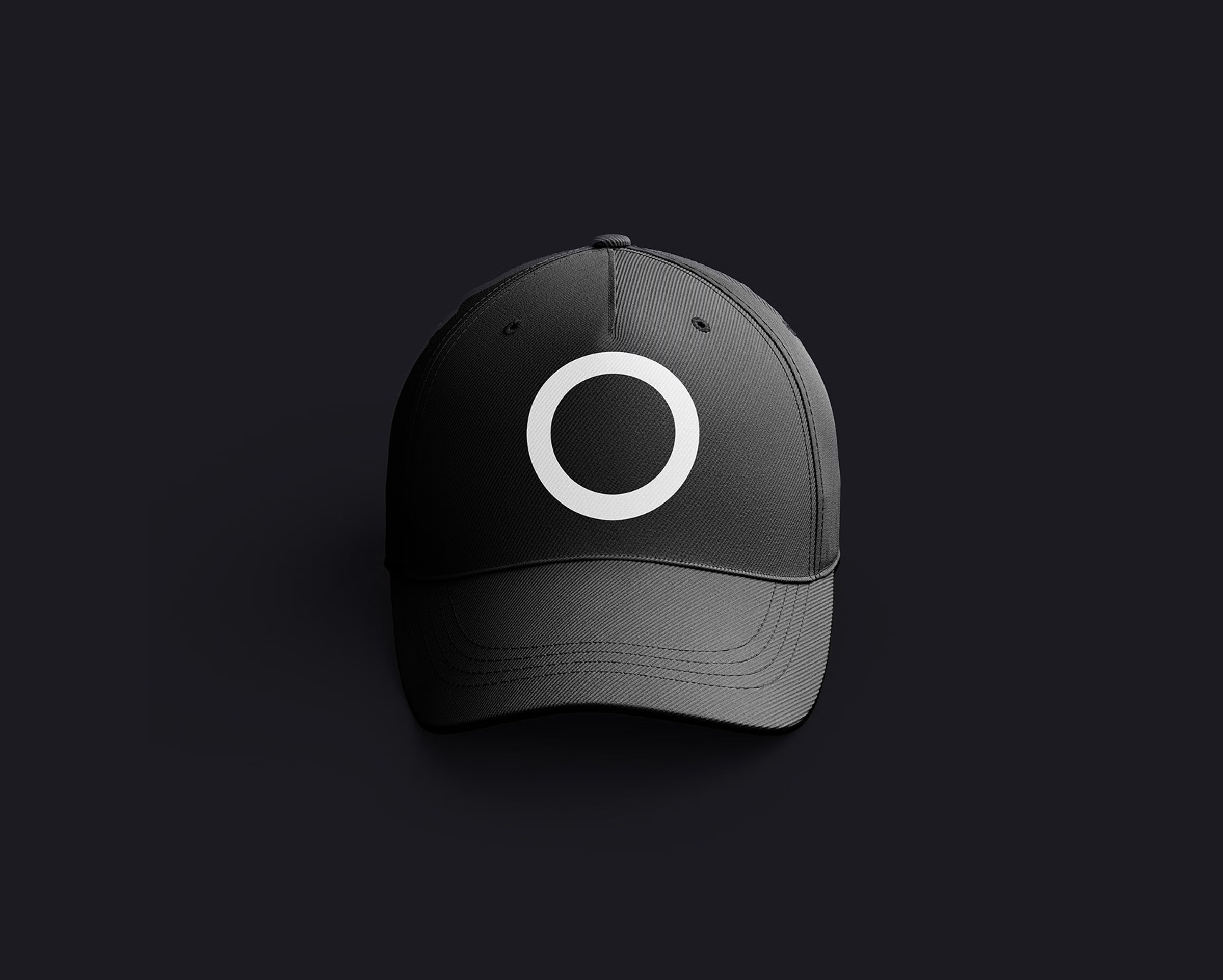
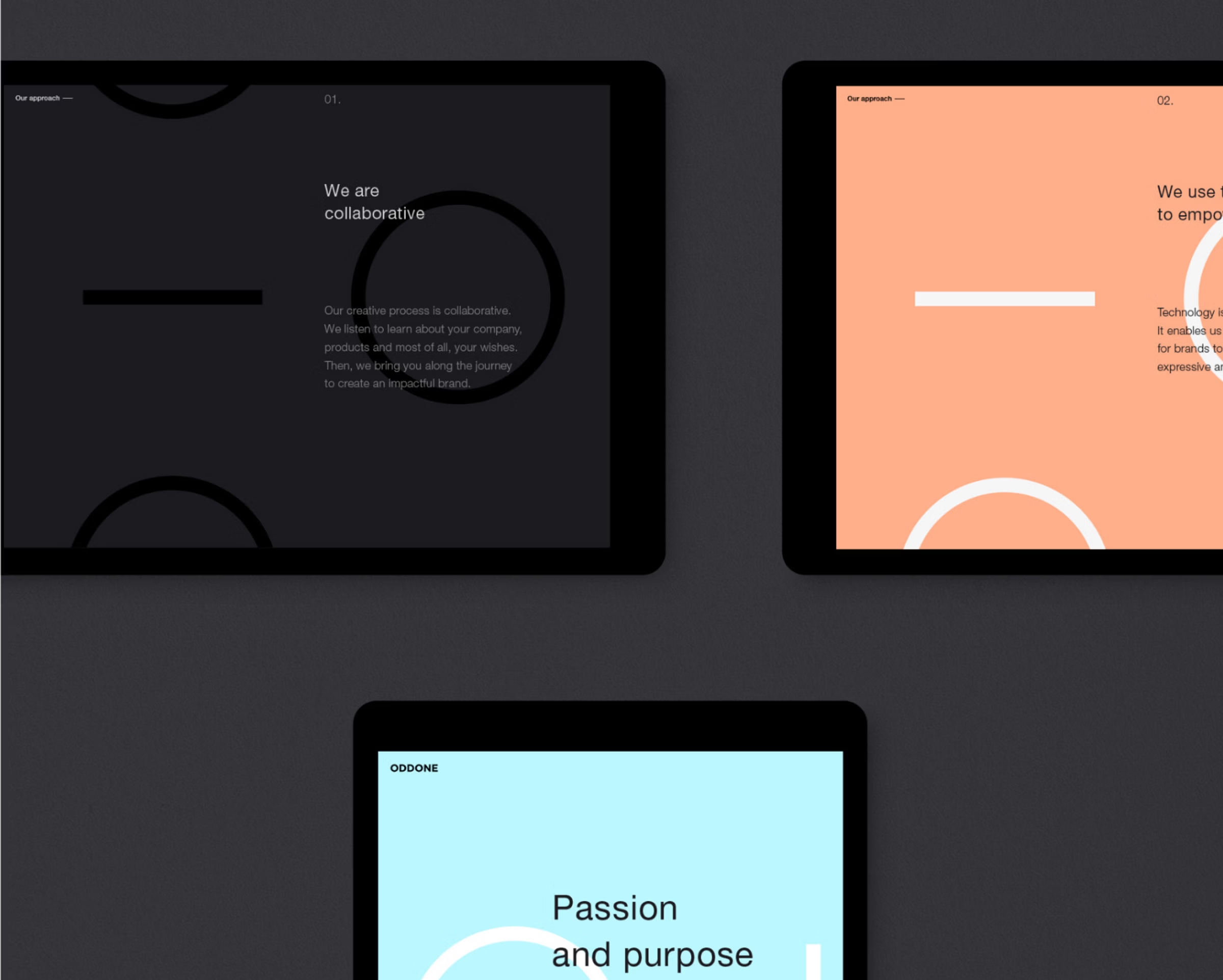
The studio's own identity was the first project, and being our own client is always hard. Partnering with brand strategist Caren Williams was essential in this process of self-discovery, forcing clarity about my values. The core idea that emerged: I explore every angle of an idea. The "O" is treated as a three-dimensional object that reveals a different form depending on the perspective, so that each view shows a different dimension of the same thinking. Strategy, design, and exploration, finally made visible.
After launching, I decided to push the system further, creating a series of expressive posters rooted in the same visual logic, developing a motion language for the brand in the process.
Creative Director / Designer: Roger Oddone · Brand Strategist: Caren Williams.
2018
Turned my way of thinking into my identity
After Uber, I started Oddone, a brand identity studio in San Francisco specializing in visual identities for forward-thinking businesses.
The studio's own identity was the first project, and being our own client is always hard. Partnering with brand strategist Caren Williams was essential in this process of self-discovery, forcing clarity about my values. The core idea that emerged: I explore every angle of an idea. The "O" is treated as a three-dimensional object that reveals a different form depending on the perspective, so that each view shows a different dimension of the same thinking. Strategy, design, and exploration, finally made visible.
After launching, I decided to push the system further, creating a series of expressive posters rooted in the same visual logic, developing a motion language for the brand in the process.
Creative Director / Designer: Roger Oddone · Brand Strategist: Caren Williams.
2018



Expa is a company studio that partners with founders to build companies from zero.
This project evolved the website: expanding the case studies, sharpening how the studio articulates its approach with the highest level of design and technology craft.
At the heart of the identity are the dots that form the letters of Expa, representing the companies the studio works with. Each one distinct, together forming something larger. The logo animation expresses that idea through movement: a 3D grid of 2D-looking spheres rotates like the face of a cube to reveal each letter in sequence. Four letters, four faces, one continuous motion.
2025
Made a fixed mark move without breaking its own rules
Expa is a company studio that partners with founders to build companies from zero.
This project evolved the website: expanding the case studies, sharpening how the studio articulates its approach with the highest level of design and technology craft.
At the heart of the identity are the dots that form the letters of Expa, representing the companies the studio works with. Each one distinct, together forming something larger. The logo animation expresses that idea through movement: a 3D grid of 2D-looking spheres rotates like the face of a cube to reveal each letter in sequence. Four letters, four faces, one continuous motion.
2025